
Choosing Monel or Stainless Steel: A Practical Guide
2024-07-23
In Selecting Between Monel Alloy and Stainless Steel
Corrosion Resistance: For severe corrosion scenarios like seawater, acids/bases, or chemicals, Monel's superior corrosion resistance makes it a top pick. Stainless steel, although resistant too, may not match Monel’s performance.
Strength and Durability: For projects where robust strength and durability are paramount, stainless steel excels. However, Monel, apart from some specific grades, offers comparable strength and durability.
Cost Considerations: Budget plays a significant role. Monel, being costlier, should be chosen judiciously considering the financial implications.
Machinability: The ease of machining is another factor to consider. Stainless steel may be easier to machine than Monel, impacting fabrication processes and costs.
Magnetic Properties: The need for magnetic properties should guide the choice. Monel, with its non-magnetic properties, may be favored over certain stainless steel grades.
Properties of Monel Alloy and Stainless Steel
Ductility of Monel alloy and Stainless Steel:
Monel's outstanding ductility surpasses stainless steel and most metals. Its malleability enables intricate form creation, demonstrating its adaptability across varied applications.
Tensile Strength of Monel alloy and Stainless Steel:
Monel K500 outperforms stainless steel 316 in tensile strength by approximately 20%. With a remarkable tensile strength of around 700 MPa, Monel K500 stands tall against applied forces, making it a reliable choice for demanding structures.
Rust Resistant Nature of Monel alloy and Stainless Steel:
Both Monel and stainless steel can rust; however, Monel's higher nickel content boosts its corrosion resistance, particularly in seawater exposure. Stainless steel, though corrosion-resistant, may exhibit rusting over time, especially in severe conditions.
Brittleness of Monel alloy and Stainless Steel:
Neither Monel nor stainless steel are inherently brittle. While ferrous materials like stainless steel may become brittle at low temperatures, Monel maintains its ductility even at lower temperatures, reducing the risk of brittleness.
The content appearing on this webpage is for informational purposes only.
Lork Group, a specialist in on-demand manufacturing, caters to your Monel alloy or stainless steel requirements. We provide tailored solutions that meet specific material specifications, including those for Monel and stainless steel, across multiple industries.

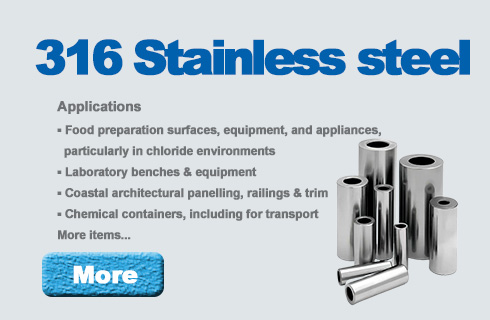
What are the commonly used types of stainless steel in the pharmaceutical industry?
Duplex Stainless Steels Selection Guidelines
Related Article
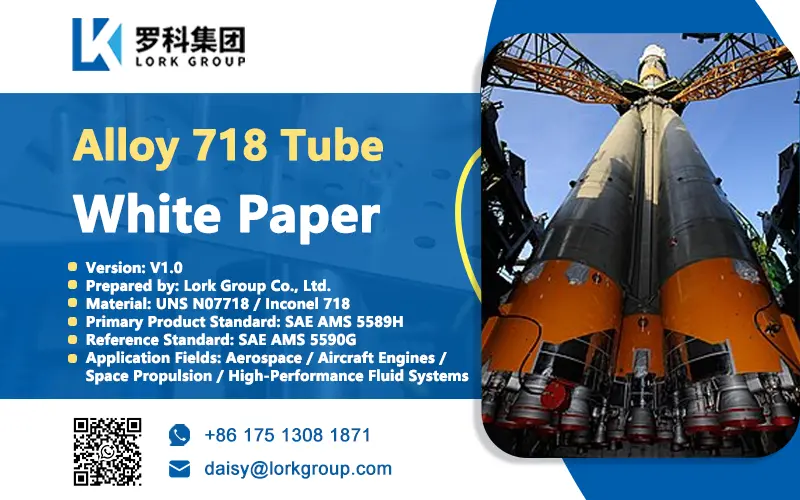
Can you determine whether Alloy 718 is suitable for specific applications—such as fluid piping in aero-engines, structural components in aircraft, or systems in aerospace—and specify the requirements for procurement and quality acceptance?
LORK GROUP Inconel 718 Seamless Tubing Aerospace Practical Technical White Paper
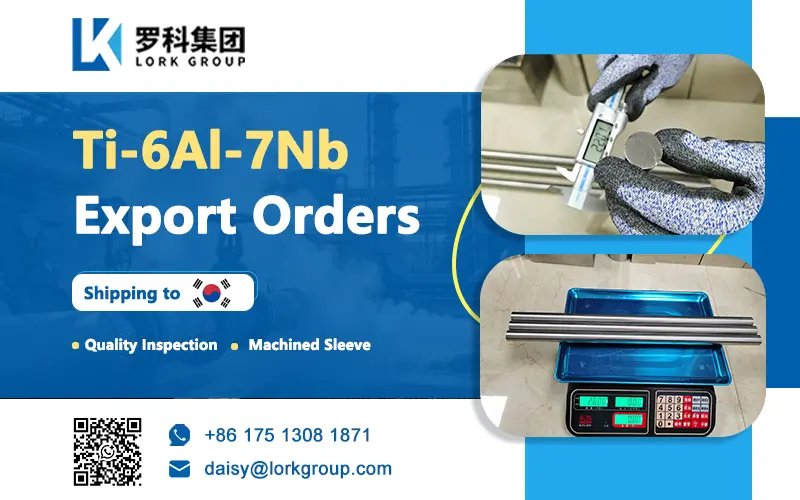
Lork Group has delivered Ti-6Al-7Nb rods to a South Korean client. These medical-grade rods are manufactured in accordance with the ASTM F1295 standard, and the company offers both sample-based trial production and volume supply.
Shipment Record Ti-6Al-7Nb Titanium Alloy Rods Exported to South Korea Lork Group
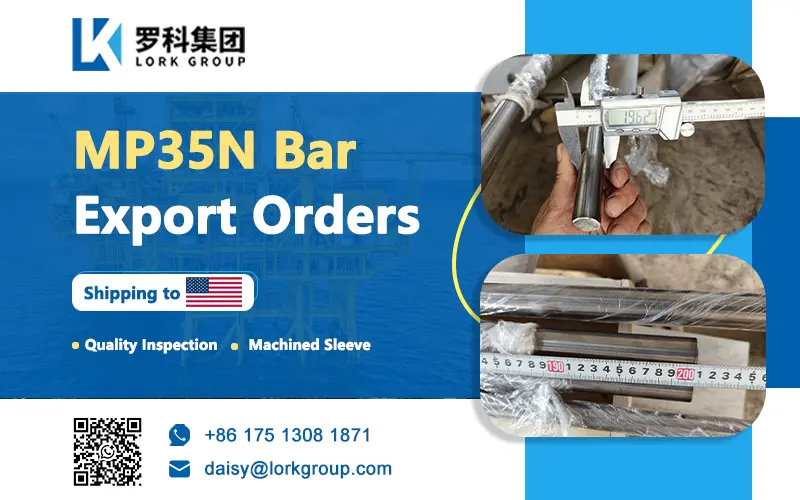
Lork Group has successfully completed the shipment of an order for MP35N cobalt-based alloy rods to a U.S. customer. The initial delivery consisted of four MP35N alloy rod samples, accompanied by a third-party inspection report from SGS confirming that all tested parameters met specifications. These materials, destined for the United States, will be used to manufacture critical components—specifically high-pressure sealing and suspension systems—for deep-sea oil and gas extraction equipment.
Shipment records of MP35N cobalt rods and SGS test reports exported to Lork Group in the United States
A comparison of Inconel alloy standards for sheet, strip, and plate: which grade—600, 601, 625, or 718—suits your operating conditions? While AMS and ASTM standards for the same grade may specify similar chemical compositions, AMS standards typically impose stricter additional requirements regarding grain size (ASTM E112), non-destructive testing (ultrasonic/penetrant), and traceability.
Guide to Selecting Inconel Sheet, Strip, and Plate: A Comprehensive Analysis of Mainstream Grades, Standards, and Applications for 2026