
Applications of Nitinol Tubing in Vascular Interventional Medical Devices
2025-04-03
Nitinol is a special mix of nickel and titanium. It has amazing features like shape memory and superelasticity. These make it perfect for heart-related devices. Why is it so important? It can go back to its original shape after bending. This helps tools like stents and guidewires work well inside the body. Its flexibility lowers risks and improves patient health.
In heart treatments, nitinol tubing is very important. It helps devices move with blood vessels, causing less harm and speeding up healing. For small surgeries, nitinol's slim design and bendability are the best.
Stents: Best grades and performance needs
Nitinol tubing is key for making stents, especially self-expanding ones. Its superelasticity helps stents adjust to moving blood vessels. This reduces problems and ensures proper placement in tough conditions. Studies show nitinol tubing lasts long under constant stress, which is vital for stents.
Nitinol is safe for long-term use and resists rust, making it durable. These traits make it a trusted choice for stents in heart treatments. When picking grades, choose ones with strong fatigue resistance and smooth surfaces. These features boost stent performance and help patients recover better.
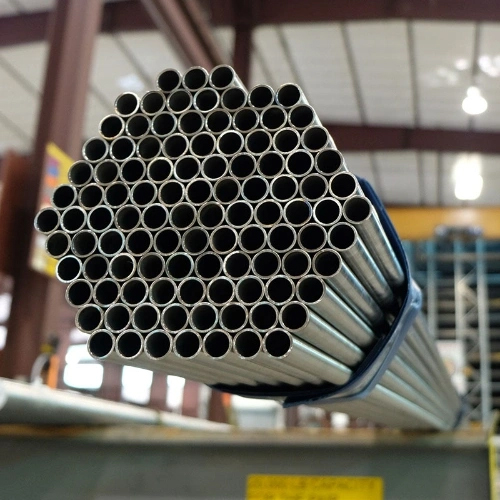
Guidewires: Best grades and main features
Guidewires need nitinol tubing that is very flexible and strong. Nitinol’s superelasticity helps guidewires move through tricky body paths without breaking. This improves surgery accuracy and lowers risks.
Nitinol tubing is better than stainless steel in bending and stretching. It handles repeated twists during small surgeries. Its heat memory lets guidewires return to shape after bending. These qualities make nitinol tubing perfect for guidewires, ensuring it works well in tough medical cases.
Catheters: Grade choice and performance needs
Catheters use nitinol tubing to fit into complex blood vessel paths. Nitinol’s flexibility and rust resistance make it great for long-term use. Its smooth surface lowers friction, making it safer to move through vessels.
For catheters, pick grades with high elasticity and body safety. These grades improve accuracy and help patients heal faster. Nitinol tubing also supports small surgeries, making it a top choice for modern catheter designs.
Other vascular interventional applications
Nitinol tubing is important for many vascular tools. It is not just for stents, guidewires, or catheters. Its special traits make it useful for new medical devices. These devices help improve patient health.
Embolic Protection Devices
Embolic protection devices (EPDs) stop debris from moving in blood. This happens during procedures like angioplasty. Nitinol tubing keeps these devices strong and bendable. Its superelasticity helps EPDs fit blood vessel shapes. This lowers the chance of problems.
Vena Cava Filters
Vena cava filters are also very important. They block blood clots from reaching the lungs. Nitinol tubing gives these filters strength and flexibility. This helps them expand and stay in place. Its biocompatibility makes it safe for long-term use.
Occlusion Devices
Occlusion devices use nitinol tubing to stop abnormal blood flow. This is helpful for treating aneurysms. Nitinol’s shape memory lets these devices expand exactly where needed. This makes treatments work better and recovery faster.
Tip: Pick nitinol tubing grades with great fatigue resistance. A smooth surface finish is also important. These features make devices work well in tough conditions.
Summary of Applications
Here’s a simple table showing how nitinol tubing helps:
|
Application |
Benefits of Nitinol Tubing |
|---|---|
|
Embolic Protection Devices |
Bends easily to match blood vessel shapes |
|
Vena Cava Filters |
Strong, flexible, and safe for long-term use |
|
Occlusion Devices |
Expands precisely and works reliably |
Choosing the right nitinol tubing grade ensures safety and success. This improves how well devices work and helps patients recover better.
310S Stainless Steel Pipes: High-Temperature Resilience, Corrosion Resistance, and Multifaceted Industrial Applications
What are the common heat treatment methods?
Related Article
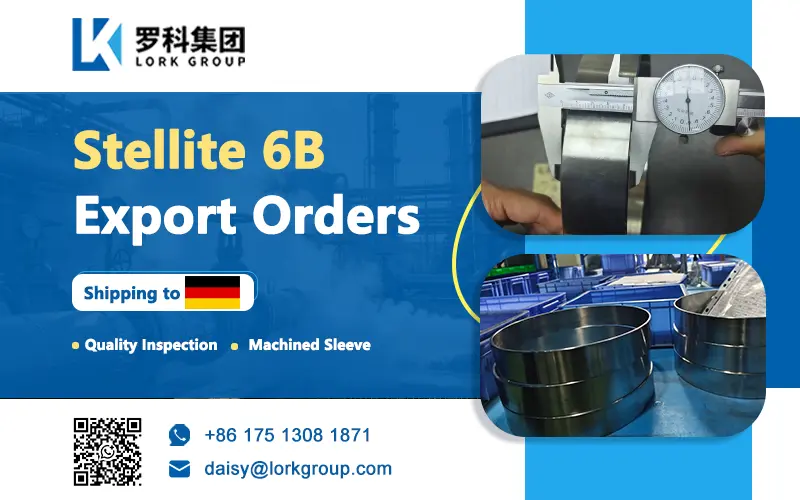
The Lork Group possesses extensive experience in processing cobalt-based alloys and maintains a comprehensive quality control system. The Stellite 6B bushings exported in this shipment—measuring 9 cm in width and 36 cm in diameter—are high-precision components. Delivery takes place only after the products have passed inspection; this process reflects our unwavering commitment to quality and is key to earning the trust of our German clients.
Lork Group Stellite 6B machined bushings exported to Germany

As an international group with 15 years of experience in specialty alloy supply chain management, Lork Group offers product selection consultation and supply services for the full range of Elgiloy, Pyromet, Elinvar, and Ni-Span-C 902 alloys. Please feel free to contact Lork Group’s sales and technical teams for the latest price quotes, material technical data sheets, or supplier coordination support.
Supplier of Elgiloy Pyromet Elinvar and Ni-Span-C 902 high-elasticity alloys
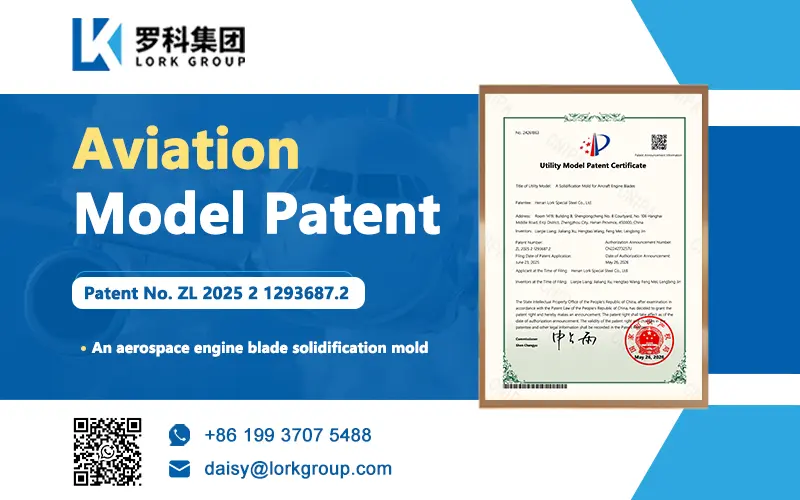
Patent No. ZL 2025 2 1293687.2 focuses on the precision casting of aero-engine blades, demonstrating the Group's sustained innovation capabilities in the fields of specialty steels and precision forming technologies.
Lork Group Granted National Utility Model Patent for an Aviation Engine Blade Solidification Mold
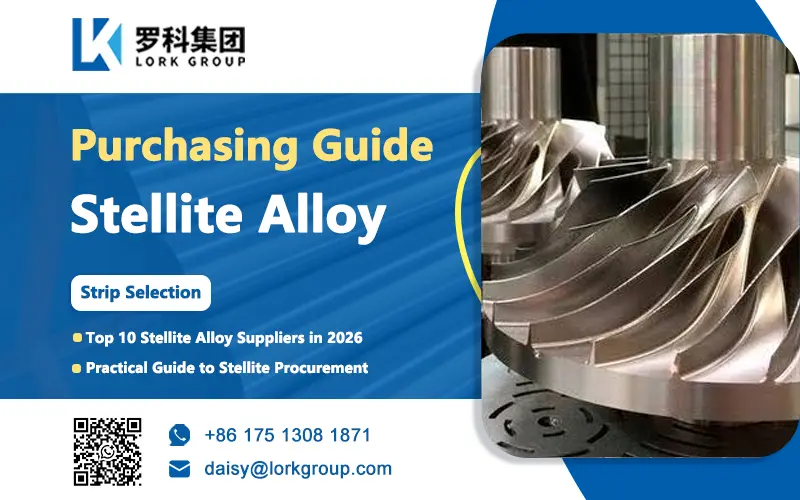
If you are unsure whether to use Stellite 6, 12, or 21 for your current project, simply send us a description of the operating conditions, and Lork Group engineers will provide a free "grade recommendation." Click the button below to submit details regarding operating temperature, corrosive media, and impact conditions, and we will respond within 24 hours.
Top 10 Suppliers of Stellite Alloy Materials for 2026