
Which metal materials are used in the aerospace industry?
2024-07-29
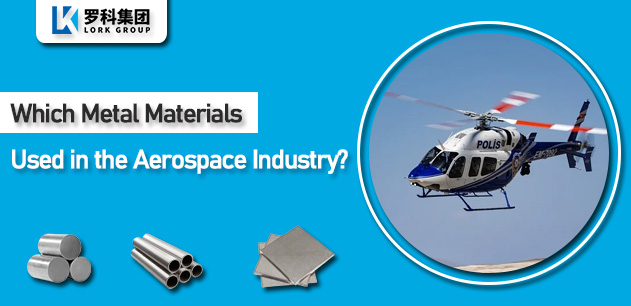
What is aerospace grade metal materials?
Aerospace-grade metal material refer to materials that are specifically designed and manufactured to meet the demanding requirements of the aerospace industry. These metal material possess exceptional strength, lightweight properties, high temperature resistance, and excellent corrosion resistance, enabling them to withstand the extreme conditions experienced in aircraft and spacecraft. They undergo rigorous testing and certification processes to ensure their reliability and performance in aerospace applications.
Airplanes, helicopters and spacecraft need materials with high strength-to-weight ratios and typically high corrosion resistance. We carry a wide range of aerospace metals in various shapes, alloys, and sizes, including but not limited to aerospace sheet metal, bars and tubes.
Which metal materials are used in the aerospace industry?
The aerospace industry uses a variety of materials for different components and purposes. Some common metal materials used in aerospace include:
Aerospace Grade Nickel Alloys: With both high mechanical strength as well as formability, resistance to high temperatures and weldability, these nickel alloys in aerospace are used in a vast range of parts and components that can be made from our Nickel bar and Nickel sheet metals, used in turbine blades and other parts exposed to extreme heat.
Aerospace Grade Stainless Steel: The high temperature tolerance and incredible corrosion resistance of this material is largely what makes stainless steel in aerospace applications such a popular choice. Although the material is much heavier than a number of the alternatives, aerospace stainless steel is a great choice for parts that will be subjected to high stress and impact, such as landing gear and exhaust components. A range of stainless steel materials are ideally suited to aerospace applications, including the range of Inconel alloys.
Aerospace Aluminum: It is lightweight and has good strength-to-weight ratio, making it suitable for aircraft structures.Generally, aluminum makes up between 80% to 90% of the structural weight of most modern commercial aircraft. What makes aluminum such a great material for aircraft is its high strength-to-weight ratio, corrosion resistance, and ease of fabrication. It is used in aircraft fuselages, wings, and other structural components to reduce weight and improve fuel efficiency.
Aerospace Grade Titanium: The push for lighter, yet stronger, and more fuel-efficient aircraft, from personal and commercial planes to helicopters, is one reason that titanium in aerospace applications is so popular. The Titanium aerospace applications range from engine parts to frames and landing gear. Aerospace titanium alloys can withstand extreme temperature ranges from subzero to 1,000 degrees Fahrenheit, making it an ideal performer on earth and in space.
Aerospace Grade Steel: While not the most prevalent material used in aerospace, largely due to the weight and surface corrosion characteristics, aerospace steel bar can be found in many manufactured aircraft components. Aerospace steel tubes are also used for structural elements in aircraft bodies. Alloy 4130 is the most commonly used aerospace steel due to the extra hardness of this metal.
Lork Group supply a variety of sheets, bars and Pipes in various sizes. We are a certified supplier of high temperature alloy pipes, high temperature alloy plates and high temperature alloy bars. At Lork Group, we are here to assist you with all your material sourcing needs. If you have any questions, please reach out to us through chat, email at daisy@lorkgroup.com, or phone at +86 17335753350. Our team is ready to help you quickly and effectively.
Advantages of using nickel alloys in chemical processing industry
Nickel Alloy Material Used to Make Surgical Tools
Related Article
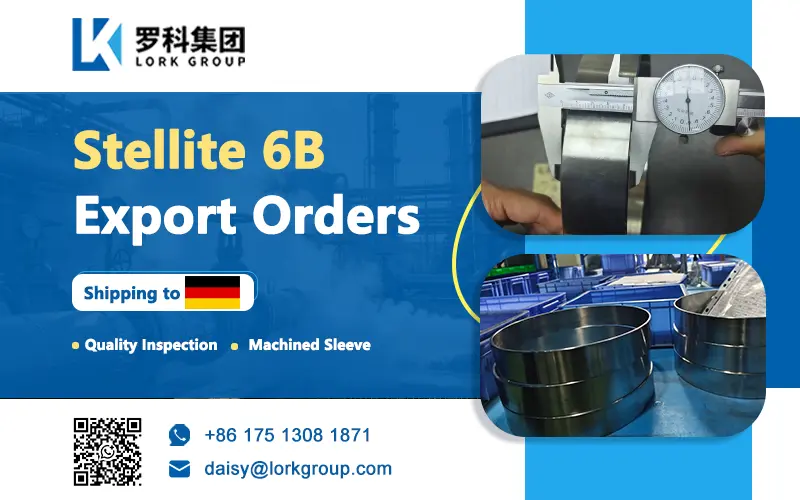
The Lork Group possesses extensive experience in processing cobalt-based alloys and maintains a comprehensive quality control system. The Stellite 6B bushings exported in this shipment—measuring 9 cm in width and 36 cm in diameter—are high-precision components. Delivery takes place only after the products have passed inspection; this process reflects our unwavering commitment to quality and is key to earning the trust of our German clients.
Lork Group Stellite 6B machined bushings exported to Germany

As an international group with 15 years of experience in specialty alloy supply chain management, Lork Group offers product selection consultation and supply services for the full range of Elgiloy, Pyromet, Elinvar, and Ni-Span-C 902 alloys. Please feel free to contact Lork Group’s sales and technical teams for the latest price quotes, material technical data sheets, or supplier coordination support.
Supplier of Elgiloy Pyromet Elinvar and Ni-Span-C 902 high-elasticity alloys
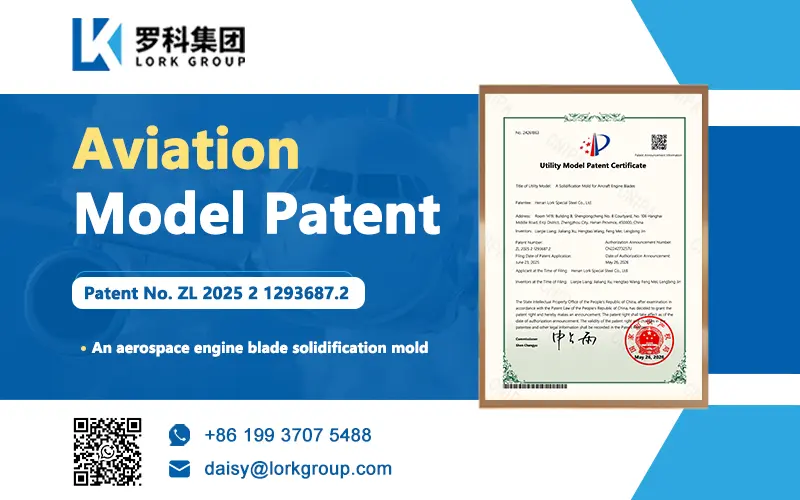
Patent No. ZL 2025 2 1293687.2 focuses on the precision casting of aero-engine blades, demonstrating the Group's sustained innovation capabilities in the fields of specialty steels and precision forming technologies.
Lork Group Granted National Utility Model Patent for an Aviation Engine Blade Solidification Mold
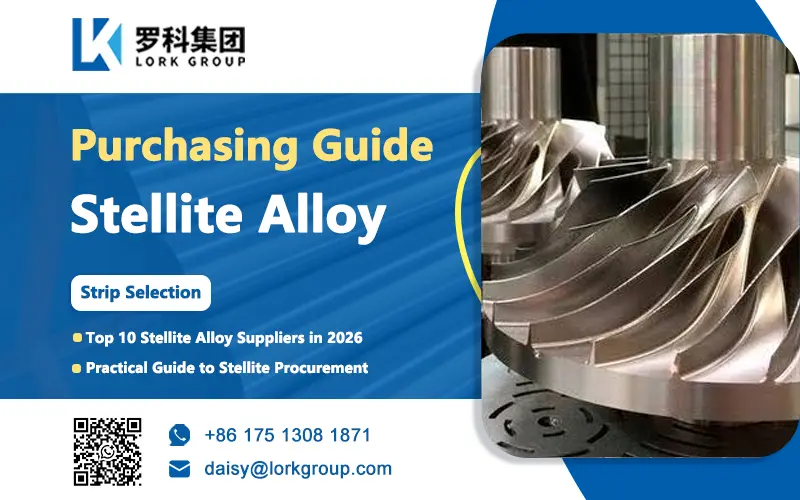
If you are unsure whether to use Stellite 6, 12, or 21 for your current project, simply send us a description of the operating conditions, and Lork Group engineers will provide a free "grade recommendation." Click the button below to submit details regarding operating temperature, corrosive media, and impact conditions, and we will respond within 24 hours.
Top 10 Suppliers of Stellite Alloy Materials for 2026