
Cobalt-Chrome Alloys: Properties, Applications, and Common Variants
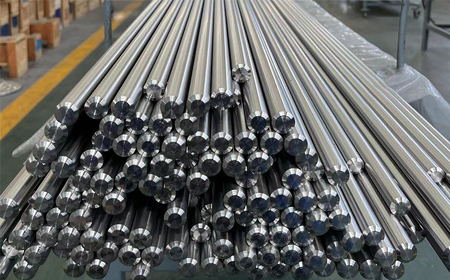
Cobalt-chrome (CoCr), also known as cobalt-chromium, is a high-performance metal alloy composed primarily of cobalt and chromium. Renowned for its exceptional strength, corrosion resistance, and biocompatibility, CoCr alloys are widely used in aerospace, medical implants, and industrial applications. This article explores the properties, common variants, and key applications of cobalt-chrome alloys.
Properties of Cobalt-Chrome Alloys
Cobalt-chrome alloys exhibit several advantageous properties, making them suitable for demanding environments:
-
High Strength and Durability – CoCr alloys have an excellent strength-to-weight ratio, allowing them to withstand high mechanical stress.
-
Corrosion Resistance – The chromium content forms a passive oxide layer that protects against oxidation and chemical degradation.
-
Biocompatibility – Certain CoCr alloys are non-toxic and compatible with human tissue, making them ideal for medical implants.
-
Wear Resistance – These alloys resist wear and fatigue, ensuring longevity in high-friction applications.
-
Heat Resistance – CoCr maintains its structural integrity at elevated temperatures, making it suitable for gas turbines and jet engines.
Common Cobalt-Chrome Alloys and Their Applications
1. ASTM F75 (Co-Cr-Mo Alloy)
-
Composition: Cobalt (balance), chromium (27-30%), molybdenum (5-7%), and small amounts of carbon, silicon, and manganese.
-
Production Process: Typically cast using investment casting techniques.
-
Applications:
-
Orthopedic implants (hip and knee replacements)
-
Dental prosthetics
-
Aerospace components
-
2. ASTM F799 (Co-Cr-Mo Alloy, Thermomechanically Processed)
-
Composition: Similar to F75 but undergoes additional thermomechanical processing (forging or hot isostatic pressing).
-
Properties: Improved mechanical strength and fatigue resistance compared to cast F75.
-
Applications:
-
High-stress medical implants
-
Surgical instruments
-
3. ASTM F1537 (Wrought Co-Cr-Mo Alloy)
-
Composition: Similar to F75 and F799 but produced through wrought processing (hot working).
-
Properties: Enhanced ductility and machinability.
-
Applications:
-
Custom orthopedic implants
-
Dental frameworks
-
4. ASTM F90 (Co-Cr-W-Ni Alloy)
-
Composition: Cobalt (balance), chromium (19-21%), tungsten (14-16%), nickel (9-11%).
-
Properties: High strength and excellent corrosion resistance.
-
Applications:
-
Cardiovascular stents
-
Aerospace fasteners
-
5. ASTM F562 (Co-Ni-Cr-Mo-Ti Alloy, MP35N)
-
Composition: Cobalt (35%), nickel (35%), chromium (20%), molybdenum (10%), and titanium.
-
Properties: Exceptional fatigue resistance and biocompatibility.
-
Applications:
-
Pacemaker leads
-
Bone fixation devices
-
Looking for reliable Cobalt-Chrome (CoCr) alloys? Lork Group is a trusted supplier of premium ASTM F75, F799, F1537, F90, and F562 cobalt-chromium alloys, serving industries such as medical implants, aerospace, dental prosthetics, and industrial manufacturing.
Why Choose Lork Group for Cobalt-Chrome Alloys?
✔ High-Performance Materials – Our CoCr alloys offer exceptional strength, corrosion resistance, and biocompatibility for demanding applications.
✔ Wide Range of Grades – We supply ASTM-standard cobalt-chrome alloys, including F75 (cast), F799 (thermomechanically processed), F1537 (wrought), F90 (Co-Cr-W-Ni), and F562 (MP35N).
✔ Custom Solutions – Tailored alloy compositions and processing methods to meet your specific requirements.
✔ Global Supply Chain – Fast delivery and competitive pricing for bulk orders.
Applications of Our Cobalt-Chrome Alloys
-
Medical & Dental: Hip/knee implants, dental crowns, surgical tools
-
Aerospace: Turbine blades, engine components
-
Industrial: High-wear resistance parts, chemical processing equipment
Get a Quote Today! Contact Lork Group for high-quality cobalt-chrome alloys at competitive prices.
? WhatsApp: +8617335753350
? Email: daisy@lorkgroup.com
? Website: //www.lorksteels.com/en/products.html
The Advantages of Titanium Bars in Hip Joint Implants
Metals and Alloys for Medical Applications: A Comprehensive Guide
Related Article