
The Uses of Tantalum & Tantalum Alloys
2024-12-03
Tantalum is a ductile metal. Tantalum has excellent corrosion resistance to most chemicals except hydrofluoric acid. Tantalum metal has a melting point exceeded only by tungsten & rhenium. The melting point of tantalum is approximately 3017 degrees Celsius. Tantalum’s main end uses are in capacitors, vacuum furnaces, chemical process equipment, nuclear reactors, and aircraft parts.
Lork Group is a leading supplier of tantalum products. We offer low pricing and great lead times on all our materials, and we're capable of supplying custom materials per any specs/drawings you provide us with.Tantalum Sheet,Plate, Bar, Rod,Strip,Pipe, Tube and other shapes are all available.
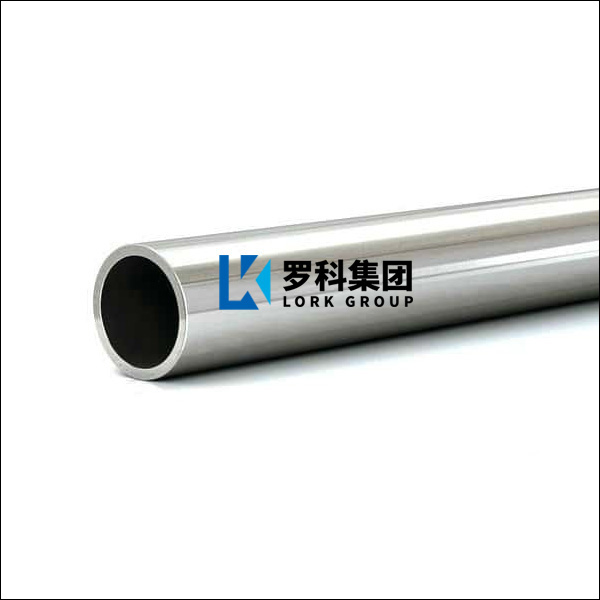
Applications of Tantalum
Tantalum has a wide range of specific applications. Its principal characteristics including high melting point, strength, flexibility, corrosion resistance, and thermal conductivity make it useful in the following areas:
Field of Capacitors
50%-70% of the world's tantalum is used to make tantalum capacitors in the form of capacitor-grade tantalum powder and tantalum wire.
Since the surface of tantalum can form a dense and stable oxide film with high dielectric strength, it is easy to accurately and conveniently control the anodizing process of the capacitor. At the same time, the tantalum powder sintered block can obtain a large surface area in a small volume, so the tantalum capacitor has high capacitance, small leakage current, low equivalent series resistance, long service life, and excellent comprehensive performance.
Tantalum capacitors are widely used in communications (switches, mobile phones, pagers, fax machines, etc.), computers, automobiles, household and office appliances, instrumentation, aerospace, defense, military industries, and other industrial and scientific sectors.
Chemical Industry
In the chemical industry, tantalum can be used to replace stainless steel in equipment for making various inorganic acids, and the life of the equipment can be increased by dozens of times compared with the use of stainless steel. And tantalum oxide is used to manufacture advanced optical glass and catalysts.
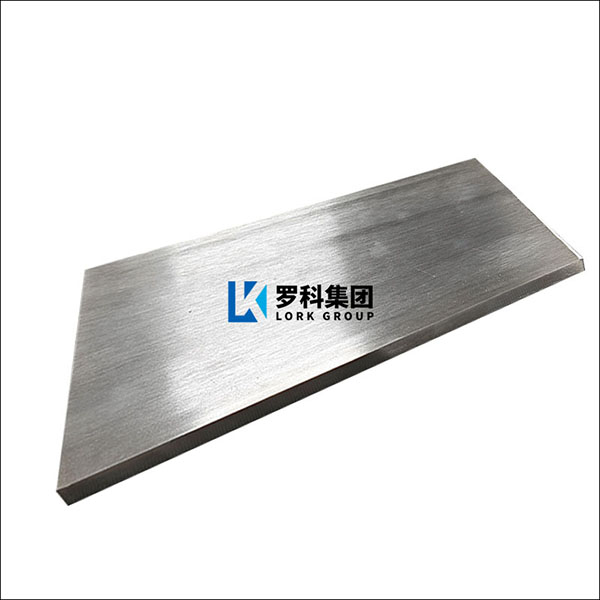
Cemented Carbide
In the field of cemented carbide, tantalum carbide can be used to manufacture cemented carbide. Adding a certain amount of tantalum carbide to the cemented carbide containing titanium carbide can not only improve the strength of the cemented carbide at room temperature but more importantly, it can increase the flexural strength of the cemented carbide at 1200°C.
In addition, the tantalum carbide-containing cemented carbide has good weldability and is less prone to cracking during sharpening, which improves the performance of the cemented carbide. The cemented carbide inserts for milling should contain more tantalum carbide so that the strength of the tip is high, and it has better adaptability to the impact and temperature changes during intermittent cutting.
Chemical, Electronic, and Electrical Industries
In the chemical, electronic, and electrical industries, tantalum can be used to undertake tasks that were previously undertaken by the precious metal platinum, which greatly reduces the cost.
Field of Electronics
In the field of electronics, tantalum is used to make electron emission tubes and high-power electron tube parts.
Aerospace and Military Fields
In the aerospace and military fields, tantalum tungsten, tantalum tungsten hafnium, and tantalum hafnium alloy are used as heat-resistant high-strength materials for rockets, missiles, and jet engines, as well as parts for control and regulation equipment.
Field of Metallurgy
In the field of metallurgy, tantalum, and its alloys can be used as heat shields, heaters, and heat sinks in high-temperature vacuum furnaces because it has a high melting point and is easy to process and form.
Field of Healthcare
In the field of healthcare, tantalum and its alloys can be used as a material for orthopedics and surgery. For example, tantalum strips can be used to replace bones in the human body, and muscles can also grow on the tantalum strips.
Atomic Energy Industry
In the atomic energy industry, tantalum borides, silicides, and nitrides, and their alloys can be used as heat-release elements and liquid metal sheath materials.
Thank you for reading our article and we hope it can help you to have a better understanding of what are the uses of tantalum and its alloys. If you want to know more about tantalum and other refractory metals, we would like to recommend visiting Lork Group for more information.
Rene 41 Alloy:High Temperature Alloys Suitable for Gas Turbine Components
Reactor Grades of Zirconium Alloys
Related Article
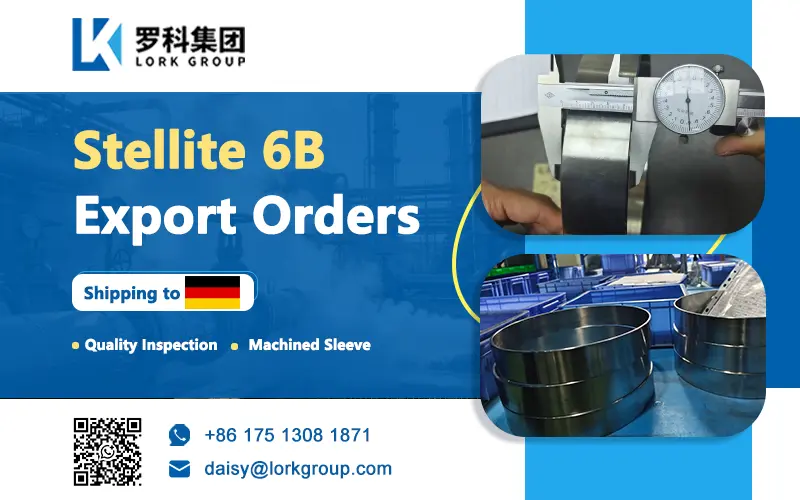
The Lork Group possesses extensive experience in processing cobalt-based alloys and maintains a comprehensive quality control system. The Stellite 6B bushings exported in this shipment—measuring 9 cm in width and 36 cm in diameter—are high-precision components. Delivery takes place only after the products have passed inspection; this process reflects our unwavering commitment to quality and is key to earning the trust of our German clients.
Lork Group Stellite 6B machined bushings exported to Germany

As an international group with 15 years of experience in specialty alloy supply chain management, Lork Group offers product selection consultation and supply services for the full range of Elgiloy, Pyromet, Elinvar, and Ni-Span-C 902 alloys. Please feel free to contact Lork Group’s sales and technical teams for the latest price quotes, material technical data sheets, or supplier coordination support.
Supplier of Elgiloy Pyromet Elinvar and Ni-Span-C 902 high-elasticity alloys
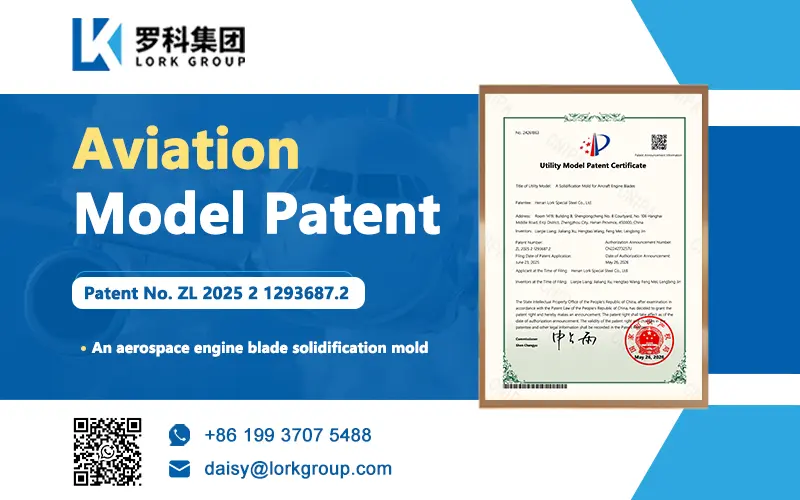
Patent No. ZL 2025 2 1293687.2 focuses on the precision casting of aero-engine blades, demonstrating the Group's sustained innovation capabilities in the fields of specialty steels and precision forming technologies.
Lork Group Granted National Utility Model Patent for an Aviation Engine Blade Solidification Mold
If you are unsure whether to use Stellite 6, 12, or 21 for your current project, simply send us a description of the operating conditions, and Lork Group engineers will provide a free "grade recommendation." Click the button below to submit details regarding operating temperature, corrosive media, and impact conditions, and we will respond within 24 hours.
Top 10 Suppliers of Stellite Alloy Materials for 2026