
Comprehensive list of applications and industries where nickel alloys play a crucial role
2024-08-21

Advantages of Nickel Alloys
A nickel alloy is a metal that contains a percentage of nickel in its elemental makeup. Nickel is primarily alloyed with chromium, copper, iron, titanium, and molybdenum. Each of these alloy combinations has specific properties that make it best suited to a certain range of applications.
Most nickel alloys exhibit good corrosion, oxidation, and high-temperature strength properties, with some exceptions. Nickel-iron alloys do not have the same levels of corrosion and oxidation resistance. Nickel alloys are often used in extreme working environments, such as those encountered in the aerospace, chemical processing, and petroleum industries but can also be used in electrical and electronics applications.
Nickel alloys are renowned for their versatility and use in applications across a spectrum of industries, from aerospace to chemical processing. These alloys exhibit exceptional corrosion resistance, strength and heat resistance, making them vital for demanding environments. For expert advice and assistance in choosing the correct nickel alloy, contact Lork Group today.
The following benefits demonstrate the importance and versatility of nickel alloys across various industries, where their unique properties contribute to enhanced performance and durability:
Corrosion resistance: Nickel alloys are highly resistant to corrosion, making them ideal for applications in corrosive environments such as chemical processing and marine industries.
High Strength: With their excellent strength, especially at elevated temperatures, nickel alloys can ensure structural integrity in demanding conditions.
Heat Resistance: Nickel alloys can withstand high temperatures without losing their mechanical properties, making them suitable for use in aerospace, power generation and high-temperature processing industries.
Heat Resistance: Suitable for use in aerospace, power generation and high-temperature processing industries, nickel alloys can withstand high temperatures without losing their mechanical properties.
Versatility: Nickel alloys can be tailored to specific requirements by adjusting their composition, making them versatile for various applications.
Low Thermal Expansion: With their low thermal expansion coefficients, nickel alloys can maintain their shape and dimensions at different temperatures- reducing the risk of warping or distortion.
High Electrical Conductivity: Some nickel alloys have exceptional electrical conductivity, making them suitable for electrical and electronic applications.
Wear Resistance: Nickel alloys are highly wear-resistant, making them suitable for use in mining, manufacturing and construction equipment.
Biocompatibility: Certain nickel alloys are biocompatible, making them suitable for medical implants and surgical instruments.
Magnetic properties: Nickel alloys can be magnetised, making them useful in various magnetic applications.
Longevity: Their resistance to corrosion and wear ensures a longer lifespan for components and structures.
Weight Reduction: In industries like aerospace, nickel alloys can help reduce weight while maintaining strength, contributing to fuel efficiency and performance.
Chemical compatibility: Nickel alloys are compatible with a wide range of chemicals, making them suitable for chemical processing equipment.
Recyclability: Nickel alloys are recyclable, promoting sustainability and reducing the need for new raw materials.
Low Maintenance: Components made from nickel alloys often require minimal maintenance, reducing downtime and maintenance costs.
Applications Across Industries
The role of nickel in alloys is pivotal; it acts as a catalyst, enhancing their properties and overall performance. As a result, nickel alloys find applications in an array of industries, including aerospace, automotive and energy production, showcasing the invaluable contributions of nickel to our modern world. Here is a comprehensive list of applications and industries where nickel alloys play a crucial role:
Aerospace: Nickel alloys are used in aircraft components, engine parts and aerospace equipment due to their high strength, corrosion resistance and heat resistance.
Chemical Processing: Nickel alloys are employed in chemical reactors, pipelines and equipment for their resistance to corrosive chemicals and acids. In chemical manufacturing, nickel alloys are used for reactor vessels, heat exchangers and pipes.
Petrochemical: In the petrochemical industry, nickel alloys are used for valves, heat exchangers, and piping systems to withstand aggressive environments.
Marine: Marine applications include shipbuilding, offshore platforms and seawater handling equipment due to nickel alloys’ resistance to seawater corrosion.
Power Generation: In power plants, nickel alloys are used in turbines, heat exchangers and boiler components that operate at high temperatures.
Oil and Gas: Nickel alloys find application in drilling tools, wellhead components and downhole equipment due to their resistance to sour gas and high-pressure environments. In mining applications, nickel alloys are used in tools, drilling equipment and conveyor systems due to their wear resistance.
Nuclear: Nickel alloys are deployed in nuclear reactors and spent fuel storage due to their resistance to radiation and high-temperature stability.
Automotive: Employed in exhaust systems, turbochargers and engine components, nickel alloys can improve performance and durability.
Electronics/ Electrical: Nickel alloys are found in electrical connectors and components due to their excellent electrical conductivity. They are employed in electrical heating elements, resistors and conductive wires.
Medical: Within the medical field, nickel alloys are used for implants, surgical instruments, and dental appliances due to their biocompatibility and corrosion resistance.
Food processing: Nickel alloys are utilised in food processing equipment and packaging machinery for their hygiene and corrosion resistance.
Textile: In the textile industry, nickel alloys are deployed in machinery parts for their resistance to abrasion and corrosion.
Electroplating: Nickel alloys are employed in electroplating to provide a corrosion-resistant and attractive finish on various products.
Construction: In construction, nickel alloys find application in architectural facades, roofing and structural components.
Renewable Energy: Within wind turbines and solar panels, nickel alloys are used for their corrosion resistance and durability.
Lork Group is a reputable manufacturer and supplier of high-quality Nickel Alloy in China. Renowned for our dedication to excellence, we specialize in producing durable Nickel Alloy products to meet diverse industrial needs. With a commitment to superior quality, we ensure our bars meet strict standards, making us a trusted choice in the industry.
Contact Lork Group for metal material Solutions
The experts at Lork Group are ready to help you choose the most suitable type of Metal for your .
We have built a reputation as a trusted partner for quality materials, distributing numerous grades of stainless steel, Nickel alloy,Precision Alloy and Hard-to-find metals. Our raw metal bars, rings, plates, pipes, and tubing are available from stock.
To learn more about the Lork Group metal difference and our material offerings stainless steel and inconel alloy, contact us or request a quote today.
High-Performance Inconel Nickel Alloy —— Selection of Materials for Corrosive Environment
MP35N: A Superalloy for High strength marine components
Related Article
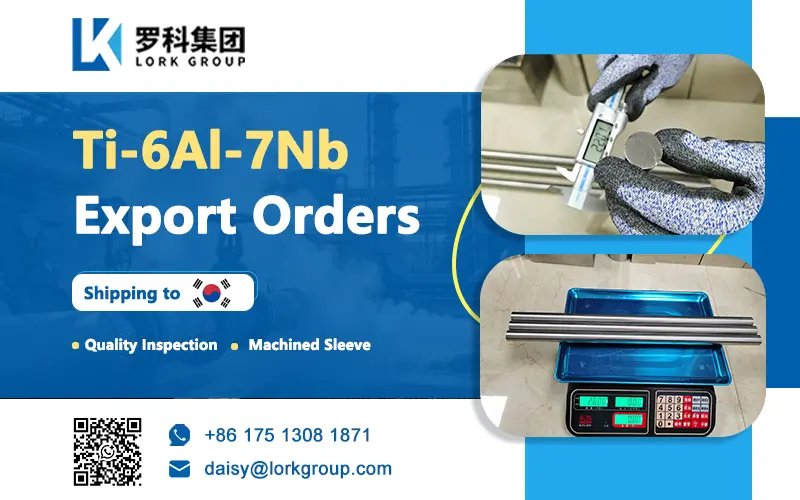
Lork Group has delivered Ti-6Al-7Nb rods to a South Korean client. These medical-grade rods are manufactured in accordance with the ASTM F1295 standard, and the company offers both sample-based trial production and volume supply.
Shipment Record Ti-6Al-7Nb Titanium Alloy Rods Exported to South Korea Lork Group
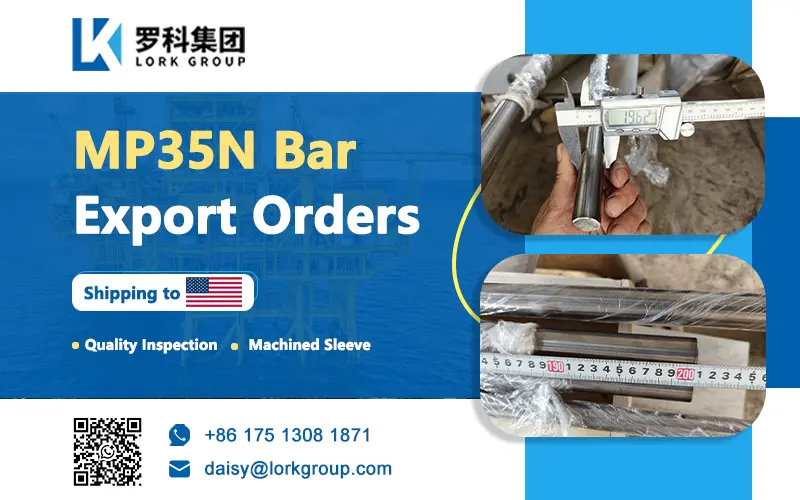
Lork Group has successfully completed the shipment of an order for MP35N cobalt-based alloy rods to a U.S. customer. The initial delivery consisted of four MP35N alloy rod samples, accompanied by a third-party inspection report from SGS confirming that all tested parameters met specifications. These materials, destined for the United States, will be used to manufacture critical components—specifically high-pressure sealing and suspension systems—for deep-sea oil and gas extraction equipment.
Shipment records of MP35N cobalt rods and SGS test reports exported to Lork Group in the United States
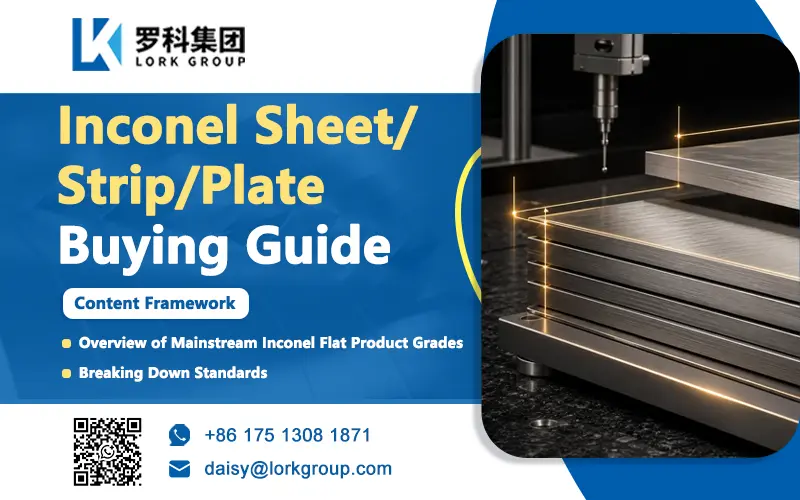
A comparison of Inconel alloy standards for sheet, strip, and plate: which grade—600, 601, 625, or 718—suits your operating conditions? While AMS and ASTM standards for the same grade may specify similar chemical compositions, AMS standards typically impose stricter additional requirements regarding grain size (ASTM E112), non-destructive testing (ultrasonic/penetrant), and traceability.
Guide to Selecting Inconel Sheet, Strip, and Plate: A Comprehensive Analysis of Mainstream Grades, Standards, and Applications for 2026

The Lork Group specializes in providing stress shielding solutions for users of titanium alloy orthopedic implants. Our materials include ASTM F1713 titanium rods, Ti-13Nb-13Zr titanium alloy, and other ASTM F1713 titanium products.
Lork Group's Medical Titanium Alloy Implants Solve the Challenge of Stress Shielding