
Inconel Alloy Uses
2024-05-17
Inconel Alloy, a nickel-chromium alloy known for its resistance to high temperatures and corrosion, has carved a niche across various industries. Its ability to maintain strength and stability under severe conditions makes it a preferred choice for applications ranging from jet engines to chemical processing equipment.For example, the old favourite Inconel alloy 625 is used in wire rope, propeller blades, propulsion motors and sheathing for undersea communication cables. Other uses for the Inconel alloy range include down-hole equipment, platform risers, hangers and high-strength fasteners.
Five Inconel Alloys Use Case Examples
Oil & Gas Extraction
Inconel alloys is ideally used in the oil and gas extraction industries due to its high temperature resistance and oxidation resistant properties. The oil and gas industries need a superalloy metal, like Inconel alloys, that can withstand extreme environments and volatile, corrosive gasses.
The superalloy Inconel 625 is especially useful for the processing systems required for natural gas production. Due to Inconel 625’s particularly strong thermal fatigue strength and oxidation resistance, it’s often used for the separation of extracted fluids or in line steel transfer piping.
Heat Treat Applications
Inconel alloys is famously resistant to extreme temperatures, and retains enough tensile strength at high temperatures to continue holding moderate loads (Inconel 625 retains 13.3 ksi tensile strength at 2,000°F). This makes Inconel alloys the ideal basket material for heat treat applications—comparing favorably to stainless steel alloys such as Grade 304, 316, and 330 SS.
Compared to most stainless steel alloys, a basket made from a superalloy like Inconel won’t lose shape as easily when holding parts through a rigorous heat treat application.
Rapid Temperature Changes
Some manufacturing processes may combine high and low temperature processes in rapid succession. Most Inconel alloys retain excellent oxidation resistance at high and low temperatures, allowing a single basket made from Inconel alloys to be used in processes where temperatures vary between near-cryogenic lows and heat treatment highs.
Saltwater Applications
Inconel alloys is often used in marine applications because of its extraordinary resistance to sodium chloride (salt) at a variety of temperatures. So, for processes that use salt or factory locations near the ocean, Inconel alloys can be ideal for a parts washing basket.
However, some stainless steel alloys also exhibit excellent resistance to saltwater. So, when would Inconel be considered preferable?
Generally speaking, this superalloy would only be much more useful than grade 316 stainless steel if extreme temperatures in excess of 1,000°F would be a concern as well. Inconel would retain its oxidation resistance better at high temperatures than 316 SS would.
Jet Engines
Some of Marlin’s manufacturing clients might use Inconel in the construction of jet engines and turbines.
Jet engines are unique in that they have to withstand extreme temperatures both high and low frequently during use. As noted on the meteorology training website, at 36,000 ft. (well within a passenger jet’s standard cruising altitude), the average air temperature is -56.3°C (-69.3°F), but the combustion process can exceed temperatures of 1,150°C (2120°F).
Cooling technologies are used to rapidly reduce temperatures, but they can still easily exceed the tolerances of many metals. Inconel 600 retains high oxidation resistance and tensile strength despite rapid changes in temperature from the combustion process and cooling technologies employed in the aerospace industry.
Basically, Inconel is an ideal material whenever extreme temperature and chemical resistance are a must, and for any process where temperature highs would normally degrade the oxidation resistance of other metals.
However, Inconel isn’t the only answer to different parts handling basket engineering challenges. To get the best basket for the job, it’s important to consider every aspect of your manufacturing process and needs compared to the capabilities of numerous types of metal.


Monel Alloy——One of the preferred materials in electronic components
Monel Alloys Properties Uses
Related Article
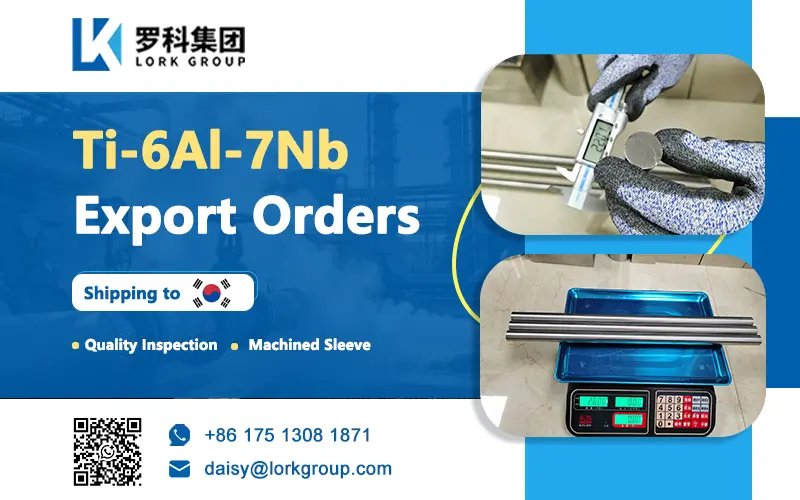
Lork Group has delivered Ti-6Al-7Nb rods to a South Korean client. These medical-grade rods are manufactured in accordance with the ASTM F1295 standard, and the company offers both sample-based trial production and volume supply.
Shipment Record Ti-6Al-7Nb Titanium Alloy Rods Exported to South Korea Lork Group
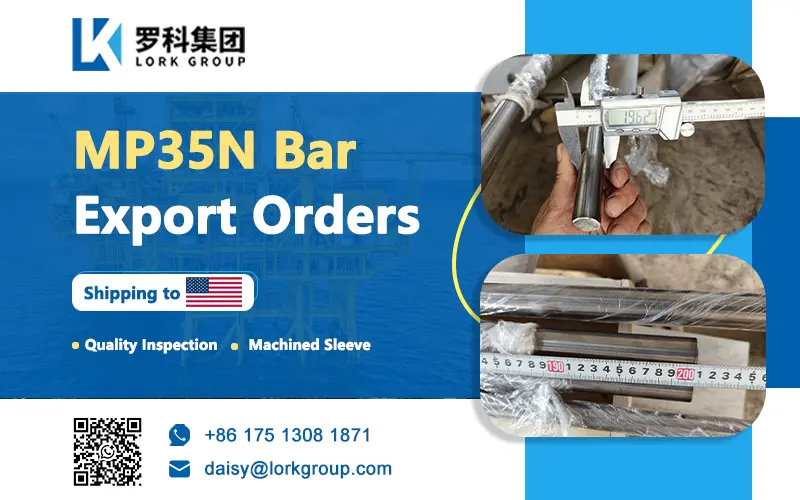
Lork Group has successfully completed the shipment of an order for MP35N cobalt-based alloy rods to a U.S. customer. The initial delivery consisted of four MP35N alloy rod samples, accompanied by a third-party inspection report from SGS confirming that all tested parameters met specifications. These materials, destined for the United States, will be used to manufacture critical components—specifically high-pressure sealing and suspension systems—for deep-sea oil and gas extraction equipment.
Shipment records of MP35N cobalt rods and SGS test reports exported to Lork Group in the United States
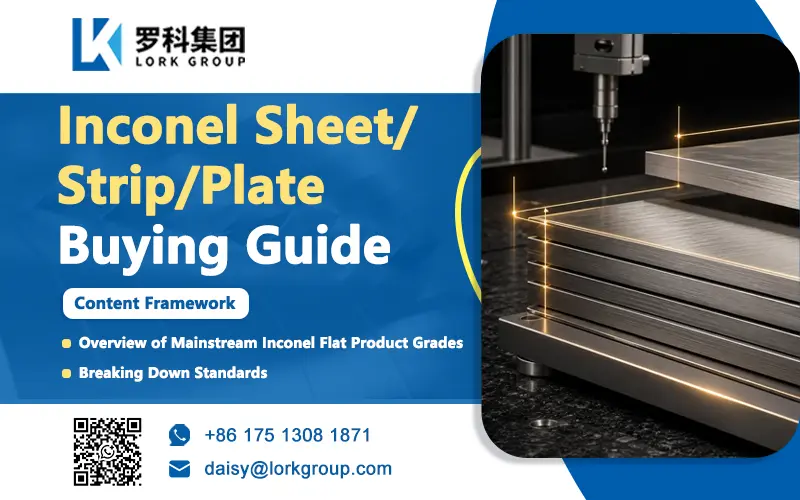
A comparison of Inconel alloy standards for sheet, strip, and plate: which grade—600, 601, 625, or 718—suits your operating conditions? While AMS and ASTM standards for the same grade may specify similar chemical compositions, AMS standards typically impose stricter additional requirements regarding grain size (ASTM E112), non-destructive testing (ultrasonic/penetrant), and traceability.
Guide to Selecting Inconel Sheet, Strip, and Plate: A Comprehensive Analysis of Mainstream Grades, Standards, and Applications for 2026

The Lork Group specializes in providing stress shielding solutions for users of titanium alloy orthopedic implants. Our materials include ASTM F1713 titanium rods, Ti-13Nb-13Zr titanium alloy, and other ASTM F1713 titanium products.
Lork Group's Medical Titanium Alloy Implants Solve the Challenge of Stress Shielding