
Key Considerations When Selecting Stainless Steel for Marine Use
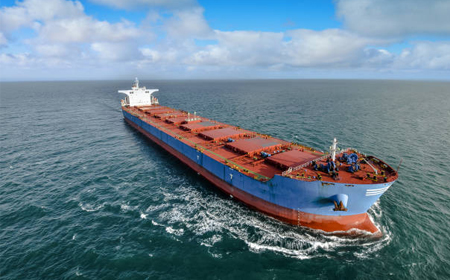
Marine environments present some of the harshest conditions for materials, with factors like high salinity, strong water currents, extreme pressure, and fluctuating temperatures. Stainless steel has become a cornerstone in marine engineering due to its ability to withstand these challenges, enabling complex projects that would otherwise be unfeasible.
Why Stainless Steel is Ideal for Marine Use
Stainless steel’s superior performance in marine settings stems from its corrosion resistance, strength, and versatility. Two of the most commonly used grades are:
-
304 Stainless Steel: Often used for boat fittings and components exposed to coastal conditions. It performs well in splash zones and intermittent seawater submersion, especially when regularly rinsed with fresh water.
-
316 Stainless Steel (Marine Grade): Contains molybdenum, enhancing its resistance to chlorides. It is used in 90% of marine applications, including ship fittings, offshore platforms, and underwater structures.
For even more demanding environments, duplex and super duplex stainless steels provide higher yield strength and superior corrosion resistance, making them ideal for deep-sea applications, oil rigs, and tropical waters.
Key Considerations When Selecting Stainless Steel for Marine Use
Choosing the right stainless steel grade depends on several factors:
-
Seawater quality (chloride concentration, pollution levels)
-
Water flow rates (higher flow can reduce biofouling but increase erosion)
-
Temperature (warmer waters accelerate corrosion)
-
Oxygen levels (deaerated water can reduce corrosion risk)
-
Surface finish and crevice design (smooth finishes minimize crevice corrosion)
-
Cathodic protection (used to prevent galvanic corrosion)
Specialized Stainless Steel Grades for Marine Applications
| Grade | Best For | Example Uses |
|---|---|---|
| 304 Stainless Steel | Coastal environments, splash zones, intermittent seawater exposure | Handrails, lamp posts, boat fittings |
| 316 Stainless Steel | Full marine exposure, high chloride resistance | Ship components, offshore platforms, underwater grills |
| 6% Moly (Super Austenitic) | Permanent seawater immersion, high chloride conditions | Pipelines, heat exchangers, desalination plants |
| Duplex (S31803) | Brackish water, high strength-to-weight ratio | Estuary structures, ship hull reinforcements |
| Super Duplex (S32750) | Extreme marine conditions, tropical waters, oil rigs | Subsea pipelines, pump shafts, offshore drilling rigs |
Common Marine Applications of Stainless Steel
Stainless steel is used across a wide range of marine structures, including:
-
Coastal Infrastructure: Handrails, ladders, lamp posts, equipment housings.
-
Ship & Boat Components: Deck eyes, anchor brackets, shackles, propeller shafts.
-
Submerged Structures: Underwater pipelines, sewage grills, heat exchangers.
-
Prolonged-Contact Equipment: Pumps, winches, storage tanks, desalination units.
Combating Corrosion in Marine Environments
Corrosion is the primary threat in marine settings, but stainless steel’s properties help mitigate these risks. Common types of corrosion include:
-
Localized Corrosion
-
Pitting: Small holes form due to chloride attack.
-
Crevice Corrosion: Occurs in gaps (e.g., under bolts or welds).
-
Solution: Use 316 or duplex stainless steel for better resistance.
-
-
Stress Corrosion Cracking (SCC)
-
Caused by tensile stress + corrosive environment.
-
Solution: Duplex and super duplex steels are less susceptible than 304/316.
-
-
Galvanic Corrosion
-
Occurs when dissimilar metals are in contact underwater.
-
Solution: Avoid mixing metals; use similar stainless steel grades.
-
Stainless steel’s durability, corrosion resistance, and adaptability make it indispensable in marine engineering. From coastal fixtures to deep-sea oil rigs, the right grade ensures longevity and performance in even the most aggressive environments.
Contact us to select the best marine-grade stainless steel for your project—ensuring durability, corrosion resistance, and optimal performance in harsh seawater environments.
The Critical Role of Material Selection in Aerospace Engineering
Seamless vs. Welded vs. Forged Pipes: How to Choose the Right Type for Your Project
Related Article