
Medical Applications of Stellite 31
2025-01-16
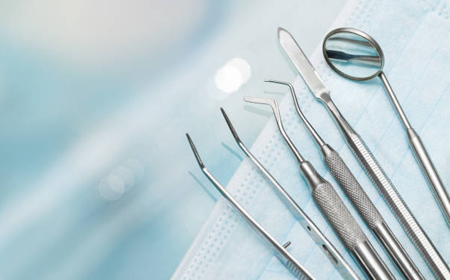
Stellite 31, a cobalt-based heat-resistant superalloy, is highly valued in the medical field due to its unique properties that meet the strict requirements for medical tools and implants. Its biocompatibility, combined with exceptional wear and corrosion resistance, makes it ideal for use in medical devices such as artificial hip joints and surgical tools. The alloy’s high mechanical strength and stability under various physiological conditions ensure the durability and safety of the implants, making it a preferred material in the medical field.
High Wear Resistance
Stellite 31 exhibits exceptional wear resistance due to its high hardness, which typically exceeds 40 HRC and can reach over 60 HRC, making it crucial for medical devices that endure significant friction and mechanical stress. This hardness ensures longevity and reliable performance of medical tools and implants.
High Temperature Resistance
The alloy maintains its mechanical properties and dimensional stability even at high temperatures, which is beneficial for medical instruments that require frequent sterilization, ensuring they remain effective over time.
Corrosion Resistance
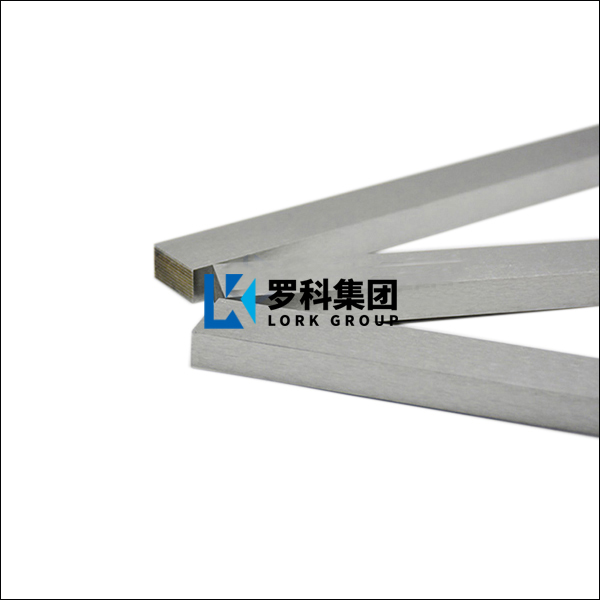
Stellite 31 is highly resistant to corrosion in various environments. This is vital in medical settings where exposure to chemicals and bodily fluids is common, ensuring the durability of medical devices.
Thermal and Mechanical Shock Resistance
The alloy’s excellent resistance to sudden temperature changes and mechanical stress makes it suitable for medical tools and implants that encounter these conditions, maintaining their integrity and functionality.
Medical Uses
Orthopedic Implants
Stellite 31 is used in orthopedic implants, such as artificial hip joints, due to its high wear resistance, corrosion resistance, and biocompatibility. However, potential risks like cobalt ion release and allergic reactions must be considered.
Surgical Tools and Blades
The high hardness and wear resistance of Stellite 31 make it ideal for surgical tools and blades, which need to maintain their cutting edge over time with repeated use and sterilization.
Durable Components in Medical Equipment
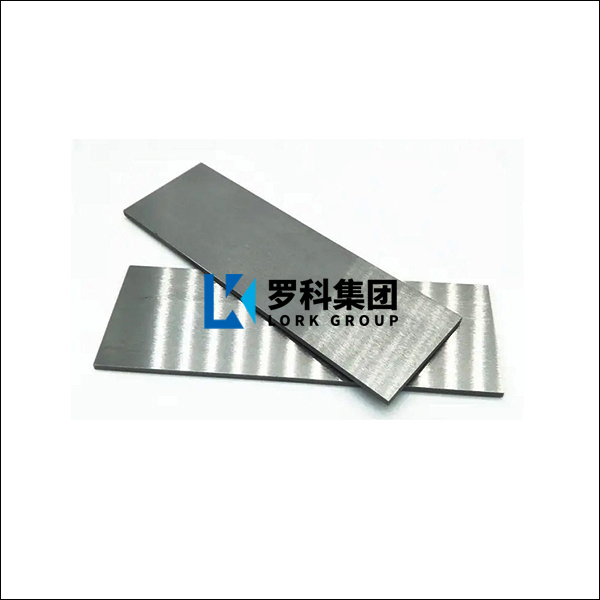
Stellite 31 is used in medical equipment components that require high wear and corrosion resistance, such as pumps and valves, ensuring their durability in harsh conditions.
Specific Considerations
Biocompatibility
While Stellite alloys generally have good biocompatibility, there are potential risks like cobalt ion release and allergic reactions that must be carefully evaluated for patient safety.
Machining and Fabrication
Stellite 31’s poor machinability requires specialized tooling and techniques. Effective machining involves using very hard substrates with thin PVD coatings for turning and semi-hard substrates with PVD coatings for milling, ensuring precise fabrication of medical devices.
Stellite 31’s unique combination of high wear resistance, corrosion resistance, and thermal stability makes it a valuable material for various medical applications, particularly in orthopedic implants, surgical tools, and durable components of medical equipment.
Understanding Inconel 825-Pricing and Stock Specifications
What is Molybdenum Alloy?
Related Article
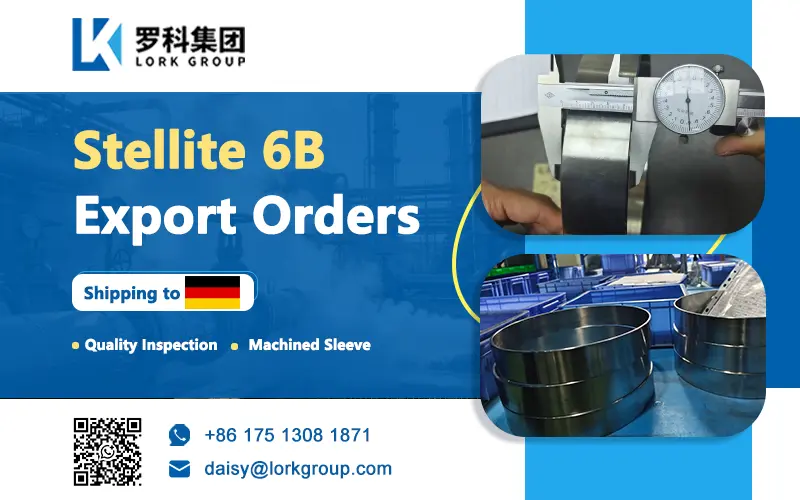
The Lork Group possesses extensive experience in processing cobalt-based alloys and maintains a comprehensive quality control system. The Stellite 6B bushings exported in this shipment—measuring 9 cm in width and 36 cm in diameter—are high-precision components. Delivery takes place only after the products have passed inspection; this process reflects our unwavering commitment to quality and is key to earning the trust of our German clients.
Lork Group Stellite 6B machined bushings exported to Germany

As an international group with 15 years of experience in specialty alloy supply chain management, Lork Group offers product selection consultation and supply services for the full range of Elgiloy, Pyromet, Elinvar, and Ni-Span-C 902 alloys. Please feel free to contact Lork Group’s sales and technical teams for the latest price quotes, material technical data sheets, or supplier coordination support.
Supplier of Elgiloy Pyromet Elinvar and Ni-Span-C 902 high-elasticity alloys
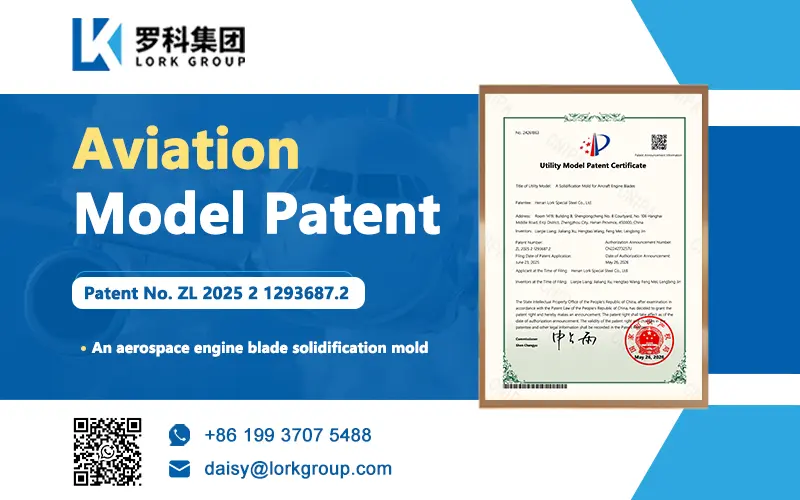
Patent No. ZL 2025 2 1293687.2 focuses on the precision casting of aero-engine blades, demonstrating the Group's sustained innovation capabilities in the fields of specialty steels and precision forming technologies.
Lork Group Granted National Utility Model Patent for an Aviation Engine Blade Solidification Mold
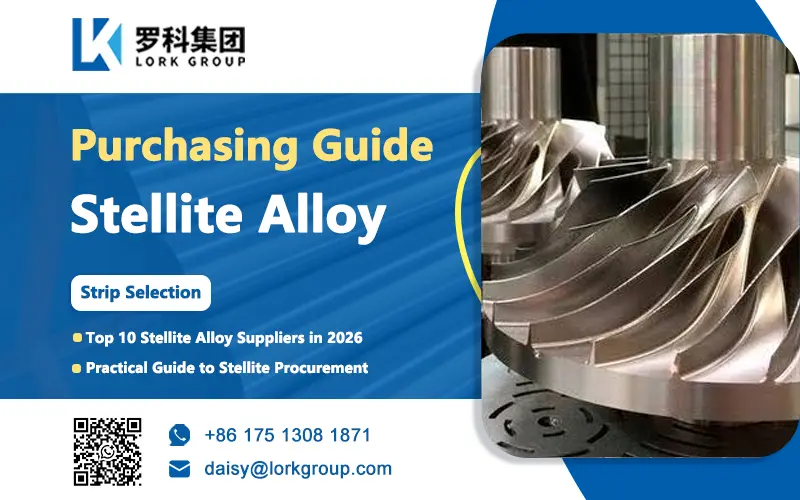
If you are unsure whether to use Stellite 6, 12, or 21 for your current project, simply send us a description of the operating conditions, and Lork Group engineers will provide a free "grade recommendation." Click the button below to submit details regarding operating temperature, corrosive media, and impact conditions, and we will respond within 24 hours.
Top 10 Suppliers of Stellite Alloy Materials for 2026