
Nickel Alloy Material Used to Make Surgical Tools
2024-07-26

The metal must be relatively malleable so it can be shaped without causing flaws, but not too malleable as it needs to hold its shape once manufactured. Depending on the instrument, the metal used may also need to be fairly ductile, as many surgical instruments are long and thin, e.g. scalpels, forceps, scissors, etc.
The majority of surgical instruments are made of nickel alloys and nickel-containing stainless steels . There are many different types of stainless steel alloys, with varying amounts of nickel & chromium to increase resistance to corrosion.
Nickel-containing materials and products play an important role in advancing the manufacturing of advanced drugs, medical materials and equipment in global healthcare. The application of many key nickel alloys has made outstanding contributions to optimizing medical solutions and extending life.
Nickel alloys have a long history of use in implants and have made important contributions to the quality of life of millions of people.
For example, orthopedic implants such as knee, hip and other joint replacements, and the associated screws, plates and wires, are typically made from stainless steels.
Nickel also delivers other valuable properties with vital clinical applications. For example, Nitinol (nickel-titanium) shape-memory alloys offer a combination of properties that make them ideal for self-expanding stents used to treat vascular conditions.
Characteristics of nickel-containing stainless steel, including:
- Ease of cleaning
- Excellent corrosion resistance to aggressive disinfecting chemicals
- Autoclavable
- Biocompatibility
- Excellent formability
- Ease of welding
- Excellent surface finish on medical tools
- Non-magnetic with no interference with sensitive electronics
- Ability to withstand cryogenic temperatures
- Minimal moisture absorption and high surface cleanliness.
These desirable properties of nickel alloys and nickel-containing stainless steels are ideally matched to the current needs of the medical sector and medical device developers.Surgical materials, tools and equipment must be easy to sterilise and must not pose a threat to human health.
Nickel-containing stainless steel is also widely used in manufacturing medical devices, pharmaceuticals and vaccines, where the highest standards of hygiene and sterility are essential. These materials are equally vital in hospitals and medical centres, where they help maintain the optimal hygiene levels required to prevent the spread of harmful organisms.
Surgical materials, tools and equipment must be easily disinfected and must not pose a threat to human health. Surgical cutting instruments are very hard and tough, and need to have excellent wear resistance and can withstand high stress load cycles. In addition, it also has excellent corrosion resistance required for contact with the human body. Therefore, nickel-containing alloys are widely used to make surgical tools.
Nickel-containing materials and products play an important role in advancing the manufacturing of advanced drugs, medical materials and equipment in global healthcare. The application of many key nickel alloys has made outstanding contributions to optimizing medical solutions and extending life.
Lork Group stocks Nickel alloy in a range of sizes. Nickel alloy Material can be supplied in random lengths, cut to order or machined to customer's specifications. We provide tailored solutions that meet specific material specifications, To buy or learn more about Inconel alloy contact us now, we will be in touch shortly.
Which metal materials are used in the aerospace industry?
Inconel 625 Use Advantages and Precautions
Related Article
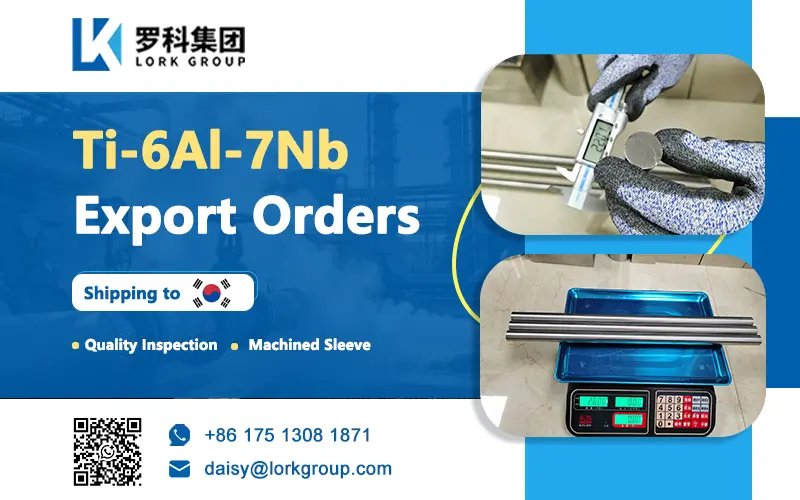
Lork Group has delivered Ti-6Al-7Nb rods to a South Korean client. These medical-grade rods are manufactured in accordance with the ASTM F1295 standard, and the company offers both sample-based trial production and volume supply.
Shipment Record Ti-6Al-7Nb Titanium Alloy Rods Exported to South Korea Lork Group
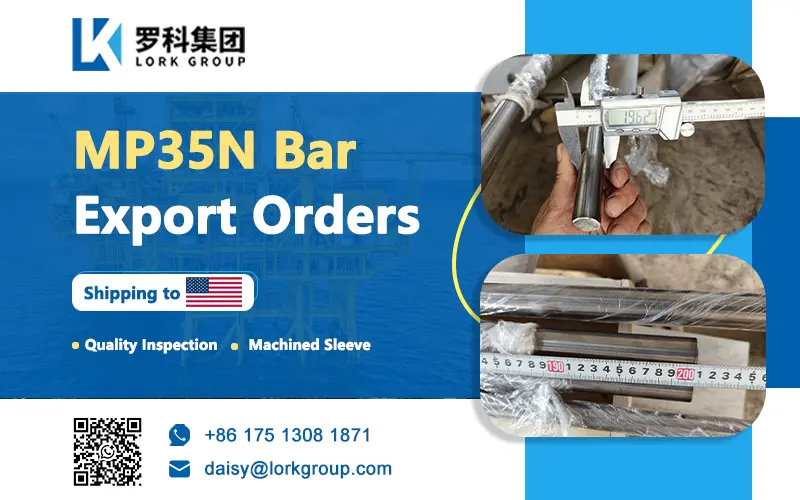
Lork Group has successfully completed the shipment of an order for MP35N cobalt-based alloy rods to a U.S. customer. The initial delivery consisted of four MP35N alloy rod samples, accompanied by a third-party inspection report from SGS confirming that all tested parameters met specifications. These materials, destined for the United States, will be used to manufacture critical components—specifically high-pressure sealing and suspension systems—for deep-sea oil and gas extraction equipment.
Shipment records of MP35N cobalt rods and SGS test reports exported to Lork Group in the United States
A comparison of Inconel alloy standards for sheet, strip, and plate: which grade—600, 601, 625, or 718—suits your operating conditions? While AMS and ASTM standards for the same grade may specify similar chemical compositions, AMS standards typically impose stricter additional requirements regarding grain size (ASTM E112), non-destructive testing (ultrasonic/penetrant), and traceability.
Guide to Selecting Inconel Sheet, Strip, and Plate: A Comprehensive Analysis of Mainstream Grades, Standards, and Applications for 2026

The Lork Group specializes in providing stress shielding solutions for users of titanium alloy orthopedic implants. Our materials include ASTM F1713 titanium rods, Ti-13Nb-13Zr titanium alloy, and other ASTM F1713 titanium products.
Lork Group's Medical Titanium Alloy Implants Solve the Challenge of Stress Shielding