
The Critical Role of Nickel-Based High-Temperature Alloys in Gas Turbines
2025-07-14
Nickel-based high-temperature alloys are the backbone of modern gas turbine engines, playing a pivotal role in aerospace propulsion and power generation. These advanced materials are engineered to withstand extreme temperatures, resist oxidation and corrosion, and maintain structural integrity under prolonged mechanical stress. As gas turbines continue to evolve for higher efficiency and performance, nickel-based alloys remain at the forefront of material innovation.

Key Properties and Composition
Nickel-based superalloys derive their exceptional performance from a carefully balanced composition, typically consisting of:
- Nickel (Ni) – The primary base, providing high-temperature stability.
- Chromium (Cr) – Enhances oxidation and corrosion resistance.
- Aluminum (Al) & Titanium (Ti) – Form the gamma prime (γ’) phase, crucial for precipitation hardening.
- Molybdenum (Mo) & Rhenium (Re) – Improve creep resistance and high-temperature strength.
These alloys form a protective oxide layer (primarily Cr₂O₃ and Al₂O₃) when exposed to high temperatures, preventing further degradation. This self-protective mechanism is vital in gas turbines, where components endure temperatures exceeding 1,500°C.
Which nickel-based high-temperature alloys are used in gas turbines?

Why Nickel-Based Alloys Excel in Gas Turbines
1. Exceptional High-Temperature Strength
Gas turbine blades and vanes operate under extreme thermal and mechanical stress. Nickel-based alloys resist:
- Creep deformation (slow material degradation under stress)
- Thermal fatigue (cracking due to repeated heating and cooling cycles)
The γ’ phase (Ni₃Al/Ti) strengthens the alloy by blocking dislocation movement, ensuring long-term durability.
2. Superior Oxidation & Corrosion Resistance
Turbine environments contain hot, corrosive gases (e.g., sulfur, carbon, and salt deposits). Nickel alloys combat:
- Oxidation (via Cr₂O₃ layer formation)
- Sulfidation & carburization (common in power plants and marine turbines)
3. Fatigue Resistance
Cyclic loading from turbine operation can lead to microcracks. Advanced nickel alloys, particularly those with rhenium additions, exhibit superior thermal fatigue resistance, extending component lifespans.
Innovations & Future Developments
As gas turbines push toward higher efficiency (requiring even hotter combustion temperatures), researchers are focusing on:
1. Next-Generation Alloys
Single-crystal superalloys – Eliminate grain boundaries, enhancing creep resistance.
Refractory element additions (e.g., tungsten, tantalum) for ultra-high-temperature stability.
Coating technologies (thermal barrier coatings – TBCs) to further protect alloy surfaces.
2. Additive Manufacturing (3D Printing)
Enables complex, lightweight turbine components with optimized cooling channels.
Reduces material waste and allows for rapid prototyping of advanced alloys.
3. AI & Computational Material Design
Machine learning models predict optimal alloy compositions for specific performance criteria.
Simulation tools accelerate the development of alloys with enhanced thermal and mechanical properties.
Nickel-based high-temperature alloys are indispensable in gas turbine technology, delivering the strength, corrosion resistance, and thermal stability needed for aerospace and energy applications. As turbine designs evolve, so too will these alloys—through advanced compositions, additive manufacturing, and AI-driven material science. The future of gas turbines lies in smarter, stronger, and more heat-resistant materials, ensuring greater efficiency and reliability in the decades ahead.
As a leading supplier of nickel-based high-temperature alloys, Lork Group provides premium-grade materials for aerospace, power generation, and industrial gas turbine applications. Our high-performance superalloys, including Inconel 718, Inconel 738, Inconel 625, Hastelloy alloys and Haynes alloys, deliver exceptional creep resistance, oxidation resistance, and thermal stability in extreme environments.
Why Choose Lork Group?
- Premium Materials – We supply certified nickel-based superalloys for critical turbine components.
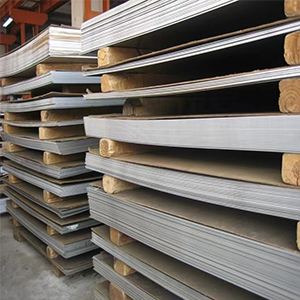
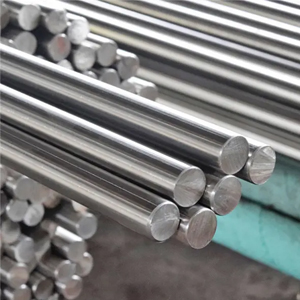
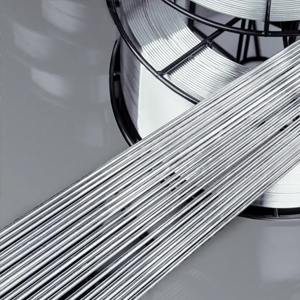
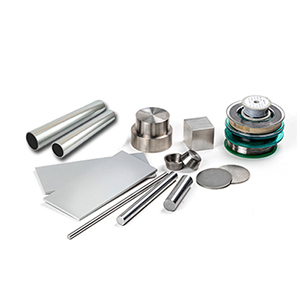
- Custom Solutions – Available in various forms (bars, sheets, coils, forgings) to meet your specifications.
- Competitive Pricing – Cost-effective solutions without compromising quality.
- Fast Delivery – Reliable global logistics for industrial and aerospace needs.
Request a Quote Today!
Looking for high-quality Inconel, Hastelloy, or Haynes superalloys? Contact Lork Group for technical support, material certifications, and competitive pricing.
Email:daisy@lorkgroup.com
WhatsApp:+86 17513081871
What Are Titanium Grades? – A Complete Guide
17-4PH Stainless Steel: Properties, Processing, and Applications by Lork Group
Related Article
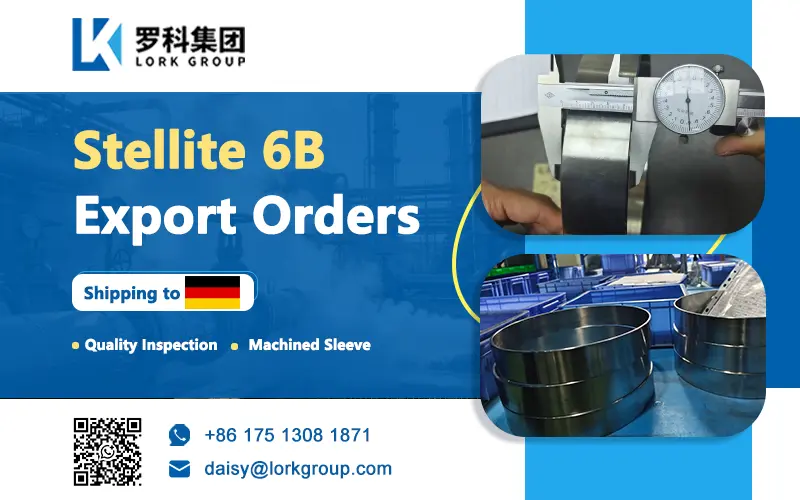
The Lork Group possesses extensive experience in processing cobalt-based alloys and maintains a comprehensive quality control system. The Stellite 6B bushings exported in this shipment—measuring 9 cm in width and 36 cm in diameter—are high-precision components. Delivery takes place only after the products have passed inspection; this process reflects our unwavering commitment to quality and is key to earning the trust of our German clients.
Lork Group Stellite 6B machined bushings exported to Germany

As an international group with 15 years of experience in specialty alloy supply chain management, Lork Group offers product selection consultation and supply services for the full range of Elgiloy, Pyromet, Elinvar, and Ni-Span-C 902 alloys. Please feel free to contact Lork Group’s sales and technical teams for the latest price quotes, material technical data sheets, or supplier coordination support.
Supplier of Elgiloy Pyromet Elinvar and Ni-Span-C 902 high-elasticity alloys
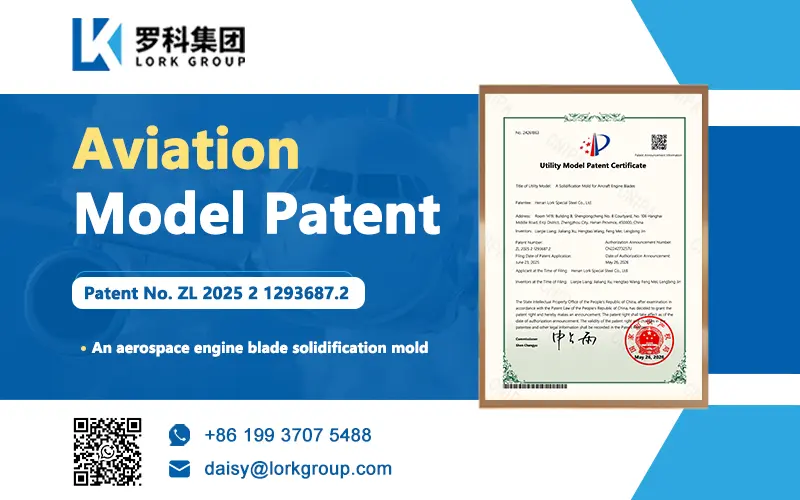
Patent No. ZL 2025 2 1293687.2 focuses on the precision casting of aero-engine blades, demonstrating the Group's sustained innovation capabilities in the fields of specialty steels and precision forming technologies.
Lork Group Granted National Utility Model Patent for an Aviation Engine Blade Solidification Mold
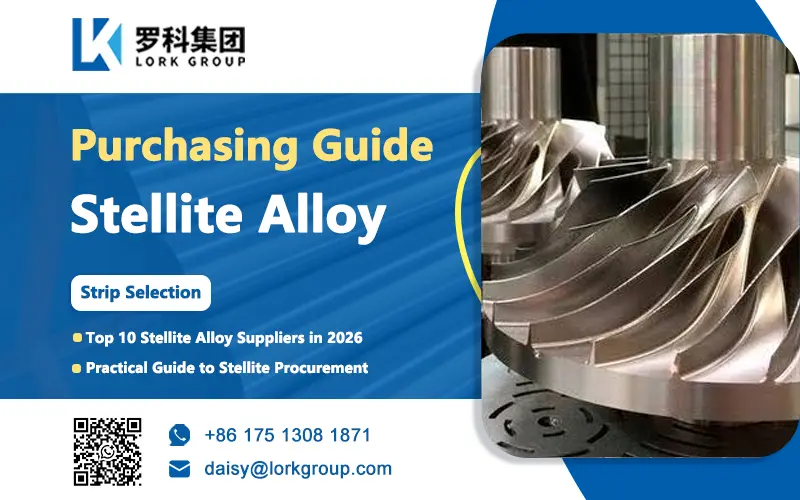
If you are unsure whether to use Stellite 6, 12, or 21 for your current project, simply send us a description of the operating conditions, and Lork Group engineers will provide a free "grade recommendation." Click the button below to submit details regarding operating temperature, corrosive media, and impact conditions, and we will respond within 24 hours.
Top 10 Suppliers of Stellite Alloy Materials for 2026