
What is the history behind the development of inconel alloys?
2024-05-06
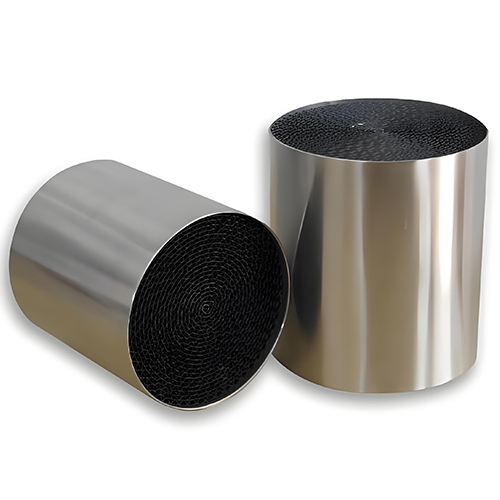
Inconel alloys are a type of corrosion-resistant metal alloy that have been in use for over 60 years. They were developed by a team of scientists at the International Nickel Company (INCO) in the early 1900s in an effort to create a material that was durable and resistant to various types of corrosion.
During World War II, the US military saw the potential of Inconel alloys for use in aircraft engines and other military applications. They were used in the manufacture of aircraft parts, such as turbine blades, and in the construction of ships and submarines.
Since then, Inconel alloys have been used in a wide range of industries, including aerospace, marine, chemical processing, and power generation. They are known for their high strength, excellent corrosion resistance, and high temperature capabilities.
The development of Inconel alloys is a testament to the ingenuity and innovation of scientists and engineers. Their development has led to the creation of materials that are essential for industries that require high performance and durability.
Inconel Alloy Chemical Makeup
Being a diverse group of superalloys, Inconel's chemical composition differs among each alloy type. All share a nickel base with chromium being the second most abundant element. Iron, usually exceeding 1%, is another key component. Some alloys also contain cobalt, molybdenum, niobium, titanium, etc.
What Makes Inconel Unique?
Inconel's exceptional properties are a result of its blend of physical and chemical attributes. It stands out for enduring extremely high temperatures while maintaining strength and resisting corrosion. Its protective oxide layer shields against corrosion at these temperatures.
Moreover, Inconel exhibits impressive strength at ambient temperatures due to its high chromium content. Other alloys enhance its toughness and hardness. Common alloys here are Inconel 625 and Inconel 718,undergo precipitation hardening for added strength.
Where Can You Find Inconel?
Inconel finds extensive usage across various sectors. Aerospace, particularly jet engines, is a major user. Components like fuel nozzles and afterburner rings are often made of Inconel due to its superior performance under operational heat and resistance to corrosive fluids. Rockets and spacecrafts also utilize Inconel. Common alloys here are Inconel 625 and Inconel 718.
Nuclear power plants too heavily rely on Inconel, especially for its high strength, corrosion resistance, and elevated temperature performance. Common alloys here are Inconel 600 and Inconel 690.
Automotive, manufacturing tools, oil & gas, firearms, and several other industries occasionally employ Inconel. Any application needing high strength and corrosion resistance in elevated temperature conditions can benefit from using Inconel.
Lork group is a metal supplier of Hastelloy, Monel, Inconel, Incoloy, Stainless Steel, Duplex Stainless Steel, Super Duplex Stainless Steel, Nickel Alloys and more. Typically, we inventory several thousand tons of metals. Is there a brand or alloy that you cannot find? Ask us.
Monel Alloys Properties Uses
Related Article
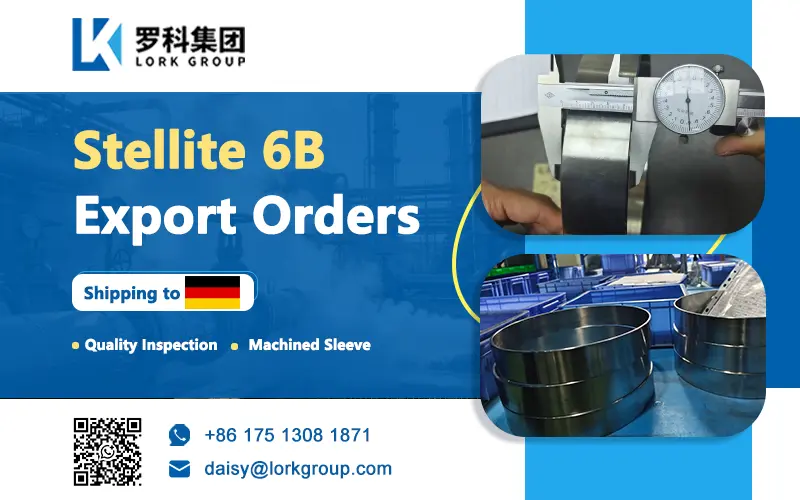
The Lork Group possesses extensive experience in processing cobalt-based alloys and maintains a comprehensive quality control system. The Stellite 6B bushings exported in this shipment—measuring 9 cm in width and 36 cm in diameter—are high-precision components. Delivery takes place only after the products have passed inspection; this process reflects our unwavering commitment to quality and is key to earning the trust of our German clients.
Lork Group Stellite 6B machined bushings exported to Germany

As an international group with 15 years of experience in specialty alloy supply chain management, Lork Group offers product selection consultation and supply services for the full range of Elgiloy, Pyromet, Elinvar, and Ni-Span-C 902 alloys. Please feel free to contact Lork Group’s sales and technical teams for the latest price quotes, material technical data sheets, or supplier coordination support.
Supplier of Elgiloy Pyromet Elinvar and Ni-Span-C 902 high-elasticity alloys
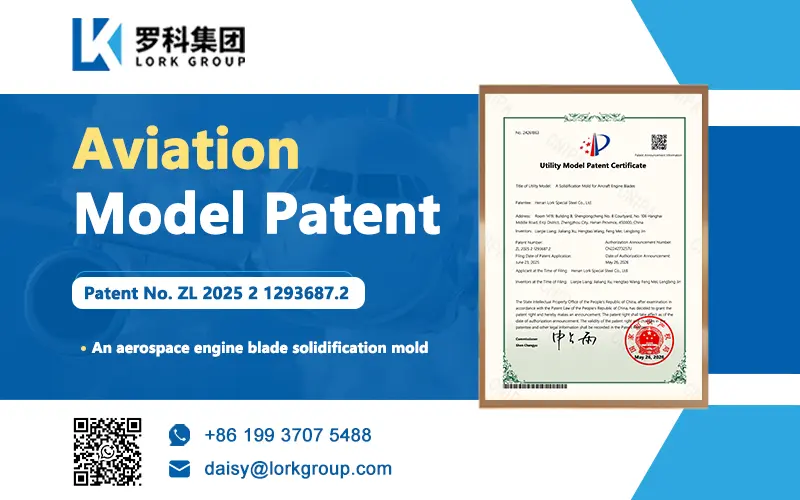
Patent No. ZL 2025 2 1293687.2 focuses on the precision casting of aero-engine blades, demonstrating the Group's sustained innovation capabilities in the fields of specialty steels and precision forming technologies.
Lork Group Granted National Utility Model Patent for an Aviation Engine Blade Solidification Mold
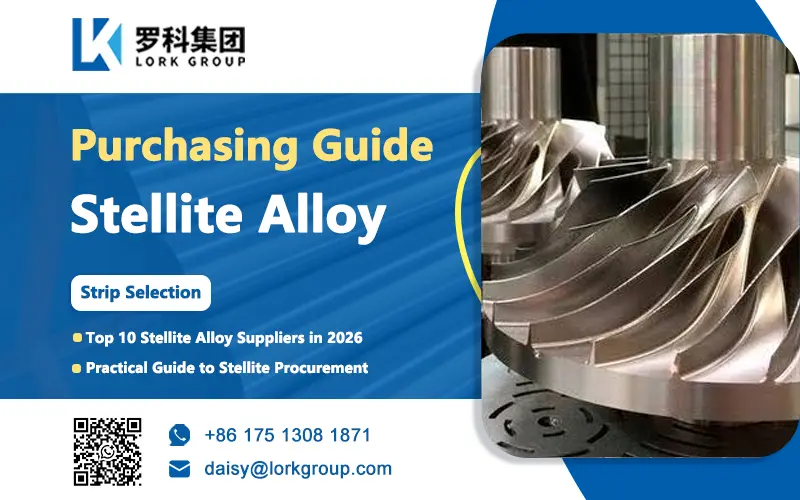
If you are unsure whether to use Stellite 6, 12, or 21 for your current project, simply send us a description of the operating conditions, and Lork Group engineers will provide a free "grade recommendation." Click the button below to submit details regarding operating temperature, corrosive media, and impact conditions, and we will respond within 24 hours.
Top 10 Suppliers of Stellite Alloy Materials for 2026