What nickel alloys are used in oil and gas field equipment - Lork Group
Overview

In acidic oil and gas environments characterized by high concentrations of hydrogen sulfide (H₂S) and chloride ions (Cl⁻), the selection of nickel alloys must strictly adhere to the NACE MR0175/ISO 15156 standard; this standard explicitly defines the safe usage limits for various nickel alloys within their respective operating environments.
Material selection constitutes a rigorous technical decision-making process, wherein specific material grades and specifications must be determined based on actual operating conditions—including temperature, pressure, and the concentration of corrosive media. We have frequently been consulted by oil and gas clients during the initial stages of their projects; they seek the expertise of Lork Group’s professional nickel alloy engineers to provide material selection recommendations, thereby ensuring that their choices are both safe and economically viable.
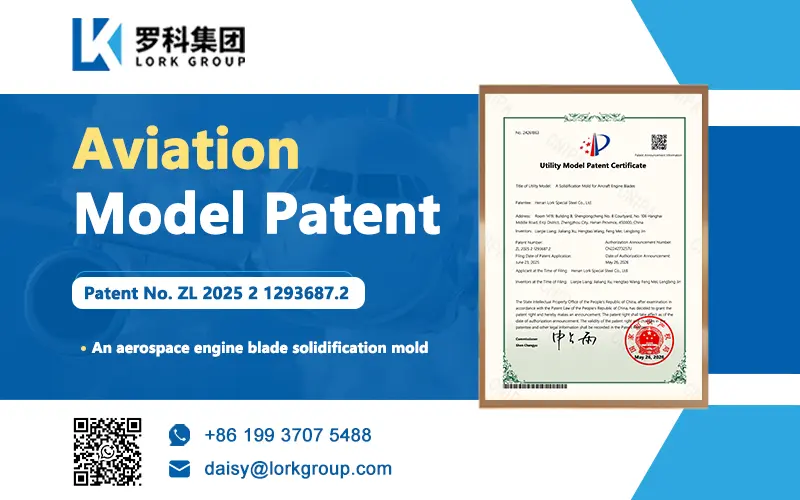
Shown on the right is the ISO 15156 - 3 nickel alloy standard—specifically tailored for the oil and gas industry—that serves as the focus of our research. If you would like to learn more, please feel free to contact us!
Nickel Alloy Selection Quick Reference Guide
Presented below is a summary table compiled based on specific operating parameters frequently prioritized by our past clients—including H₂S/CO₂ partial pressures, chloride ion concentrations, temperature, and pH values. This table outlines the applicability boundaries and key parameters for four mainstream nickel alloys, covering the full spectrum of conditions ranging from routine to extreme:
| Alloy Grade (UNS) | NACE Type (ISO 15156-3) | Environmental Severity and Critical Parameter Limits (Examples) | Core Manufacturing Standards | Specifications and Key Parameters |
|---|---|---|---|---|
| Type 4c | • Moderate-to-high corrosivity environments • H₂S Partial Pressure: Suitable for the upper limits of Zone 4c • Cl⁻ Concentration: Resistant; PRE ≥ 32 • Temperature: Up to 218°C • Applications: Conventional sour gas wells |
• API SPEC 5CRA (Group 4) • ISO 13680 • NACE MR0175/ISO 15156-3 |
• Strength Grade: 110, 125 ksi • Minimum PRE: 32 • Delivery Condition: Cold Worked • Key Testing: Must pass SSC and Pitting Corrosion tests |
|
| Type 4d/4e (Upgraded Version) |
• Highly corrosive environments • H₂S Partial Pressure: Up to 3500 kPa (508 psi) • Cl⁻ Concentration: 150,000 mg/L • Temperature: Up to 205°C (Level VII) • Applications: Acidic wells with high H₂S/Cl⁻ content requiring higher strength |
• API SPEC 5CRA • NACE MR0175/ISO 15156-3 (Level VII, VI-450°F) |
• Strength Grade: Standard 125 ksi; up to 165 ksi for shaft applications • Minimum PRE: Data not specified • Delivery Condition: Age-hardened • Key Testing: Passed NACE TM0177 Method C; no SSC observed |
|
 |
Type 4d | • Highly corrosive environments • H₂S Partial Pressure: Applicable to Region 4d; up to 2200 psi • Cl⁻ Concentration: 180,000 mg/L • Temperature: Up to 218°C • Applications: Extreme acidic wells characterized by high temperatures, high chloride levels, and the presence of elemental sulfur |
• API SPEC 5CRA (Group 4) • ISO 13680 • NACE MR0175/ISO 15156-3 |
• Strength Grades: 110, 125 ksi • Minimum PRE: 45 (Exceptionally High) • Delivery Condition: Cold-hardened • Key Tests: CPT ≥ 55°C (in 3M MgCl₂), Resistance to elemental sulfur |
| Type: Age-Hardenable | • High corrosion resistance + High strength requirements • Primarily used for non-tubular components, such as downhole tools and wellhead equipment • Achieves ultra-high strength through precipitation hardening |
• API SPEC 6A 718 • API 6ACRA • NACE MR0175/ISO 15156 |
• Delivery Condition: Solution-treated + Aged • Mechanical Properties: Yield strength typically > 120 ksi—significantly higher than that of tubular products • Forms: Predominantly supplied as bars and forgings |


Core Criteria for Selection and Key Quantitative Indicators
Based on the summary table presented above, several key points regarding the procurement and testing of samples in the oil and gas sector warrant particular attention:
1. NACE Type as the "Safety Line": The NACE MR0175/ISO 15156-3 standard classifies materials into various types (e.g., 4c, 4d) based on their resistance to H₂S stress corrosion cracking. When selecting materials, it is imperative to ensure that the material's classification level meets or exceeds the requirements dictated by the specific operating conditions. For instance, Type 4d materials (such as G-3 and 945) possess a wider safe operating envelope than Type 4c materials (such as 825), making them suitable for environments characterized by higher H₂S partial pressures and elevated temperatures.
2. PRE Value Quantifies Resistance to Cl⁻ Pitting: The PRE (Pitting Resistance Equivalent) is a critical metric for assessing a material's resistance to pitting corrosion induced by chloride ions. The formula is PRE = %Cr + 3.3×(%Mo + 0.5×%W) + 16×%N. A higher PRE value indicates superior resistance to pitting corrosion. As illustrated in the table, Alloy G-3—intended for use in environments with higher chloride concentrations—requires a PRE of ≥45, which is significantly higher than the PRE requirement of ≥32 for Alloy 825.
3. Strength Grade and Product Specification Level (PSL):
- Strength Grade: Common strength grades for nickel alloy tubulars are 110 ksi and 125 ksi, denoting minimum yield strengths of 110,000 psi and 125,000 psi, respectively. The appropriate strength grade must be selected based on the well depth and the anticipated stress loads.
- PSL Level: Standards are typically categorized into PSL-1 (basic requirements) and PSL-2 (additional requirements for sour/acidic environments). For materials intended for use in H₂S-containing environments, the PSL-2 level must be specified; this level mandates more stringent requirements regarding chemical composition, maximum hardness limits, and resistance to Sulfide Stress Cracking (SSC) testing.
Summary of Lork Group's Past Practices in Client Specification Selection
Based on Lork Group past practical procurement experiences, the majority of cases have involved sample testing and trials. Procurement requirements typically fall into two main categories:
Example 1 (High-Temperature, High-Pressure, High-H₂S/Cl⁻ Wells): Material: Alloy G-3 (UNS N06985), Standard: API 5CRA PSL-2, Grade: 125 ksi, Size: 4-1/2" x 12.60 lb/ft, Form: Cold-worked Seamless, Approval: NACE MR0175/ISO 15156-3 for Type 4d environment up to 218°C.
Example 2 (Conventional Sour Wells): Material: Alloy 825 (UNS N08825), Standard: ISO 13680 PSL-2, Grade: 110 ksi, Size: 3-1/2" x 9.30 lb/ft, Additional Requirement: PRE ≥ 32, passed ASTM G48 Method A pitting test.
We typically confirm technical specifications and all material parameters via email or video conference. If you have any plans to procure nickel alloy materials for similar oil and gas field equipment, or if you encounter unique challenges requiring our assistance, please do not hesitate to contact us!
Key Principles of Material Selection and Cutting-Edge Trends
1. Standards Serve as the Foundation; Evaluation is Key: The environmental boundaries defined by NACE MR0175/ISO 15156 represent a conservative safety baseline. For critical operating conditions, a "suitability evaluation"—specifically, laboratory testing designed to simulate actual field conditions—is typically required to provide final validation of the material. This marks the beginning of our collaboration, commencing with the testing of a small batch of samples to verify their suitability.
2. Focus on the Full Lifecycle: Material selection must not merely address initial operating conditions; it must also account for the dynamic changes that may arise throughout the oil and gas field's development lifecycle—such as increasing water cuts, shifts in CO₂/H₂S ratios, and temperature and pressure fluctuations caused by well shut-ins. We have encountered instances where a material selected by our engineers proved unsuitable for the entire lifecycle; in such cases, we rely on the client to provide timely feedback regarding changes in operating conditions. We then execute a pre-planned response strategy, which may involve risk assessment, material treatment, material replacement, or the implementation of phase-specific material solutions.
3. New Scenarios Require Specialized Assessment: The introduction of impurity gases—such as O₂ and SO₂—via novel processes like CO₂ reinjection or nitrogen injection can significantly exacerbate corrosion. Consequently, the aforementioned standards cannot be applied directly; instead, a specialized experimental evaluation is strictly required.
Lork Group Response to Alloy 49 Wire Surface Defect Complaint
Shipping Records - 18NiC300 - ASTM A538 Maraging steel bar Export to France - Lork Group
Related Article